texas
Shutterbug Saturday: Critter Collections
Nature’s wonderful creatures with many legs or, none at all. All photos are my personal collection. ~Vic

Found the little guy in our shed in the backyard (mating season).
I had trouble snapping his picture as he kept moving and I kept jumping.
09-10-2008
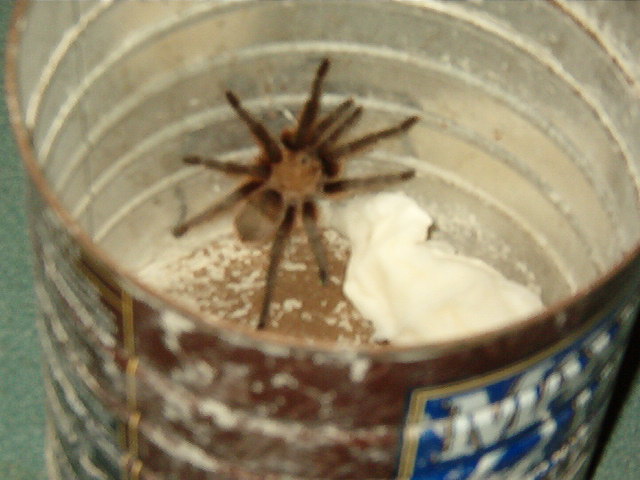
We turned him over to a friend who had Tarantulas as pets.
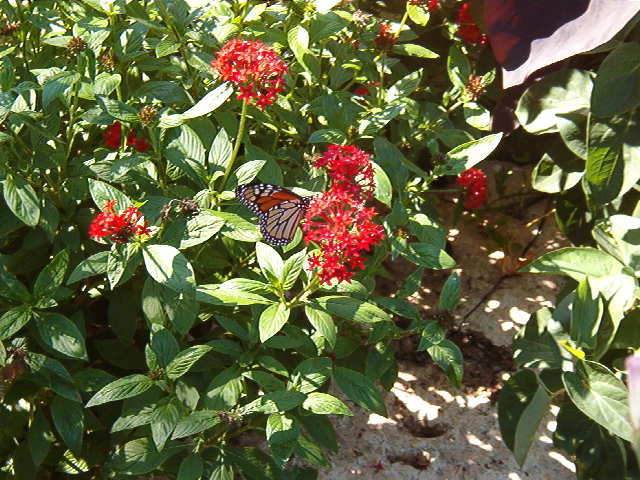
Nature Preserve in Round Rock, TX.
10-25-2008

Nature Preserve.
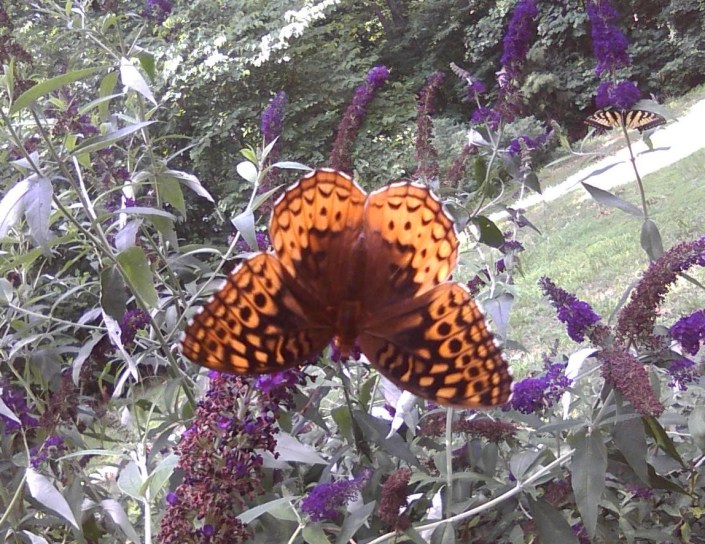
06-20-2013
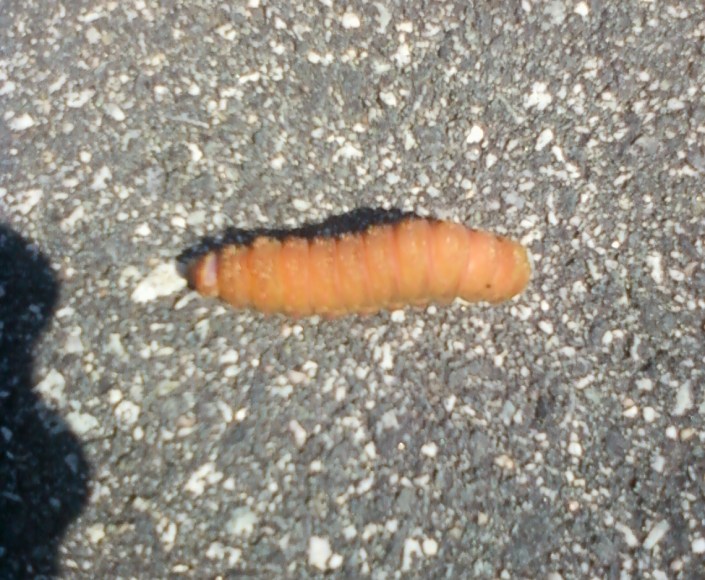
He had places to go.
08-30-2013

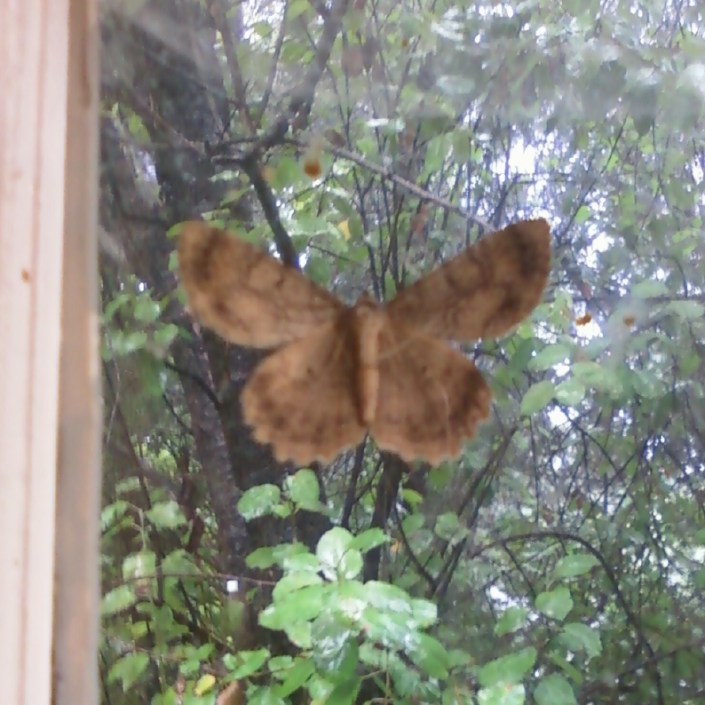
More to come…
Shutterbug Saturday: Feathers 3.0

I love watching and listening to the birds. They are fun and fascinating. A few evenings ago, I was sitting in one of my Adirondack chairs I have in my yard. They are underneath a very large Hackberry tree. This tree is huge and old. As I was enjoying the sunset and journaling, I heard tapping…above my head. Then, I noticed dust-like material gathering in my lap, my pages and on my phone (and, no doubt, on my head). I looked directly above me, which was not an easy task in a high-back chair. Yes. It was a small woodpecker. This little thing had the entire tree to beat its beak into but, decided to do its routine…directly above me. I struggled to get shots but, I got a few. That will be for another post in the future.
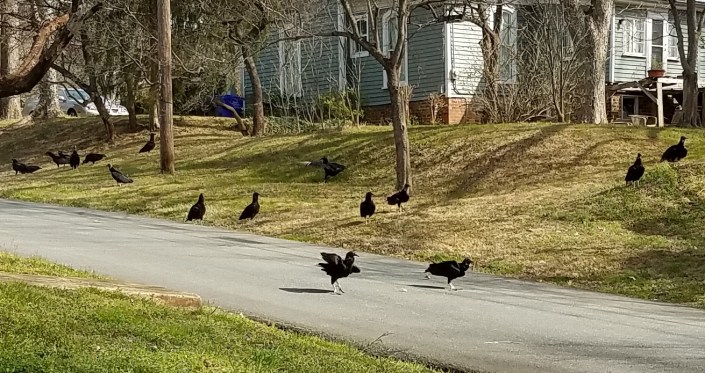
Invasion of the Buzzards
03-07-2017


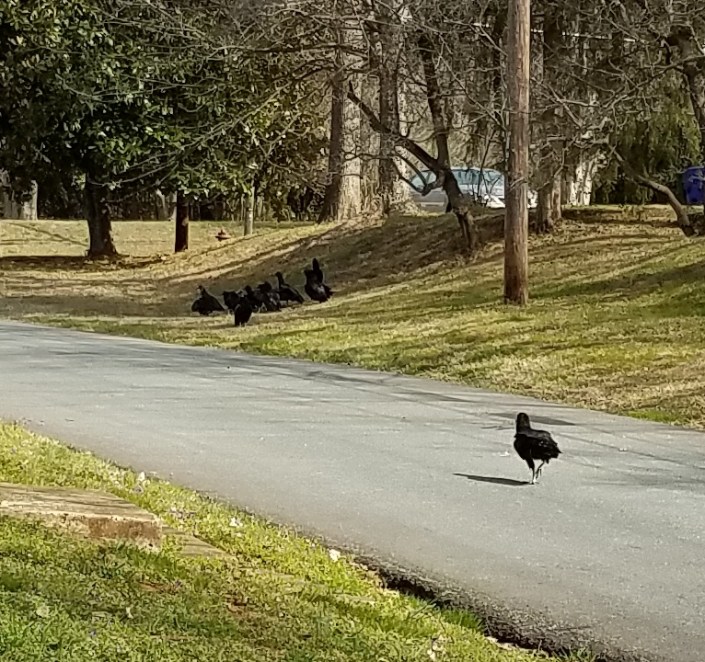


Sadly, all of those trees had to come down last year.
03-03-2013

But, a Cooper’s Hawk or a Sharp-Shinned, I’m not sure.

12-12-2008
Shutterbug Saturday: Feathers

This is for the birds! I will have more next Friday or Saturday.
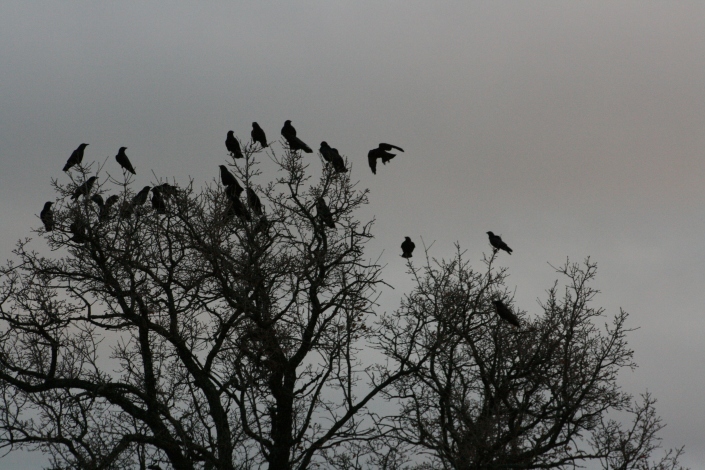
A murder of chattering crows at dusk.
Taken in Texas 12-12-2007
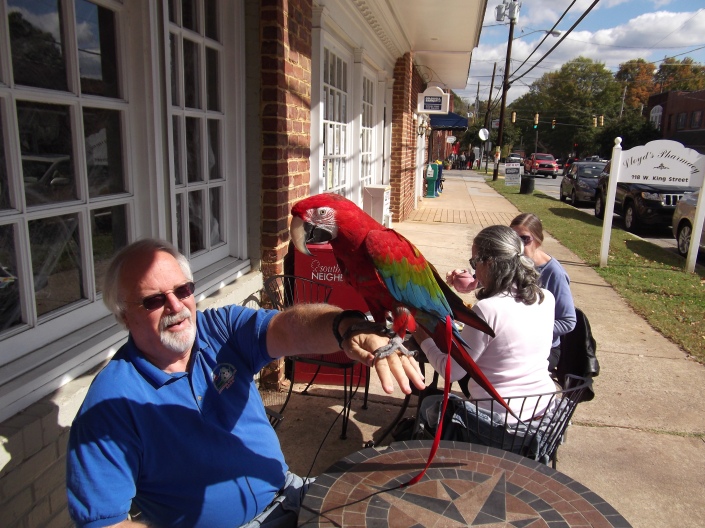
10-22-2011
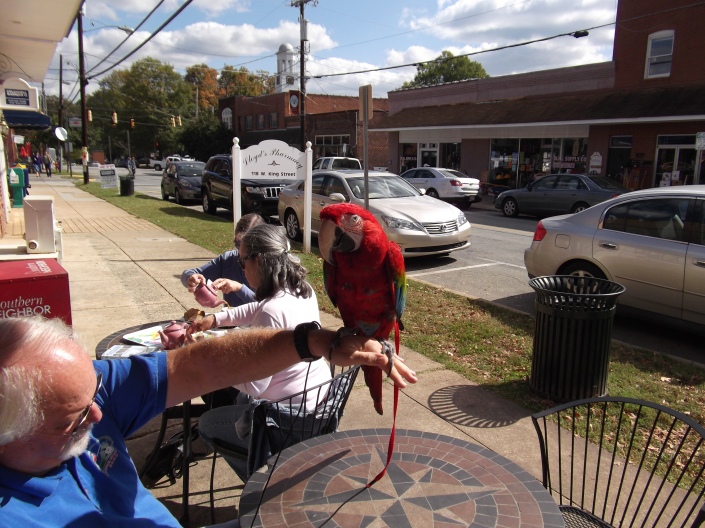

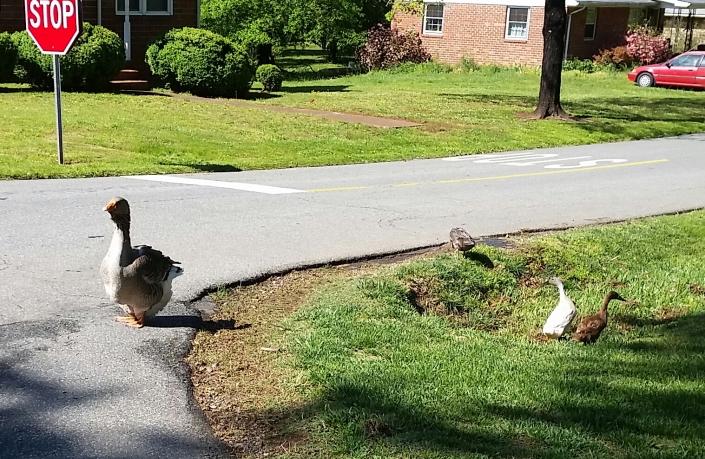
This one took up bodyguard duty to four ducks.
04-23-2016


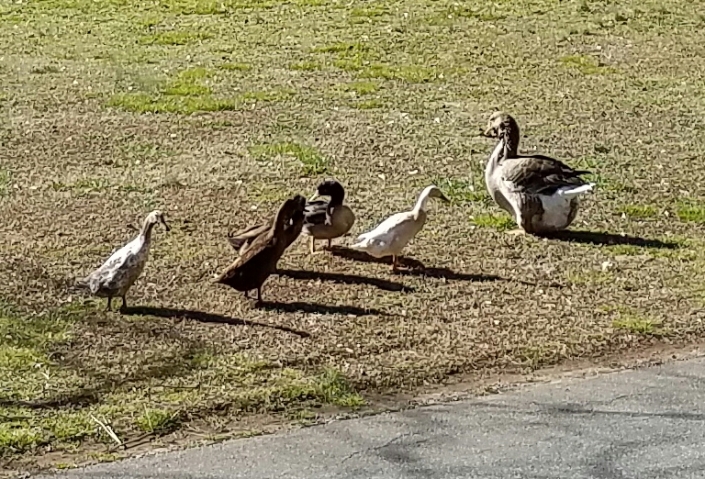
02-13-2017
Throwback Thursday: The Carolina Parakeet 1918
John James Audubon painting…1825
One hundred and one years ago, today, the last known Carolina Parakeet, a small, green, neotropical parrot native to the United States, died in captivity at the Cincinnati Zoo.
It was the only indigenous parrot to the Mid-Atlantic, Southeast & Midwest states. They ranged from southern New York, to the southern tip of Wisconsin, to Eastern Colorado, down to Central & Eastern Texas, across the Gulf of Mexico to the seaboard and all parts in-between. Also called a Carolina Conure (conuropsis carolinensis), they had a bright yellow head with a reddish-orange face and a pale beak.
From Audubon:
[…] lived in old forests along rivers. It is the only species classified in the genus Conuropsis. It was called puzzi la née (“head of yellow”) or pot pot chee by the Seminole and, kelinky in Chickasaw.
The last known wild specimen was killed in Okeechobee County, Florida, in 1904, and the last captive bird died at the Cincinnati Zoo on February 21, 1918. This was the male specimen, called “Incas”, who died within a year of his mate, “Lady Jane”. Coincidentally, Incas died in the same aviary cage in which the last Passenger Pigeon, “Martha“, had died nearly four years earlier. It was not until 1939, however, that it was determined that the Carolina Parakeet had become extinct. Some theorists at this time, though, believed a few may have been smuggled out of the country in mid 20th century and may have repopulated elsewhere, although the odds of this are extremely low. Additional reports of the bird were made in Okeechobee County, Florida, until the late 1920s, but these are not supported by specimens.
The Carolina Parakeet is believed to have died out because of a number of different threats. To make space for more agricultural land, large areas of forest were cut down, taking away its habitat. The bird’s colorful feathers (green body, yellow head and red around the bill) were in demand as decorations in ladies’ hats. The birds were also kept as pets and could be bred easily in captivity. However, little was done by owners to increase the population of tamed birds. Finally, they were killed in large numbers because farmers considered them a pest, although many farmers valued them for controlling invasive cockleburs. It has also been hypothesized that the introduced honeybee helped contribute to its extinction by taking many of the bird’s nesting sites.
A factor that contributed to their extinction was the unfortunate flocking behavior that led them to return immediately to a location where some of the birds had just been killed. This led to even more being shot by hunters as they gathered about the wounded and dead members of the flock.
This combination of factors extirpated the species from most of its range until the early years of the 20th century. However, the last populations were not much hunted for food or feathers, nor did the farmers in rural Florida consider them a pest, as the benefit of the birds’ love of cockleburs clearly outweighed the minor damage they did to the small-scale garden plots. The final extinction of the species is somewhat of a mystery but, the most likely cause seems to be that the birds succumbed to poultry disease, as suggested by the rapid disappearance of the last, small but, apparently healthy and reproducing flocks of these highly social birds. If this is true, the very fact that the Carolina Parakeet was finally tolerated to roam in the vicinity of human settlements proved its undoing. The fact remains, however, that persecution significantly reduced the bird’s population over many decades.

From Birds of North America:
A consumer of sandspurs, cockleburs, thistles, pine seeds and bald cypress balls, as well as fruits, buds and seeds of many other plant species, the Carolina Parakeet was evidently a fairly typical psittacid with catholic feeding habits, loud vocalizations and highly social tendencies. However, unlike many other parrots, it was clearly a species well adapted to survive cold winter weather. Although generally regarded with favor by early settlers, the parakeet was also known locally as a pest species in orchards and fields of grain and, was persecuted to some extent for crop depredations. Its vulnerability to shooting was universally acknowledged and was due to a strong tendency for flocks not to flee under fire but, to remain near wounded con-specifics that were calling in distress.
[…] there are no known ways to evaluate many issues in Carolina Parakeet biology except through extrapolations from the biology of closely related species and through reasoned interpretations of the fragmentary writings of observers who have long since passed from the scene. Fortunately, early naturalists prepared a few accounts with substantial amounts of useful information.
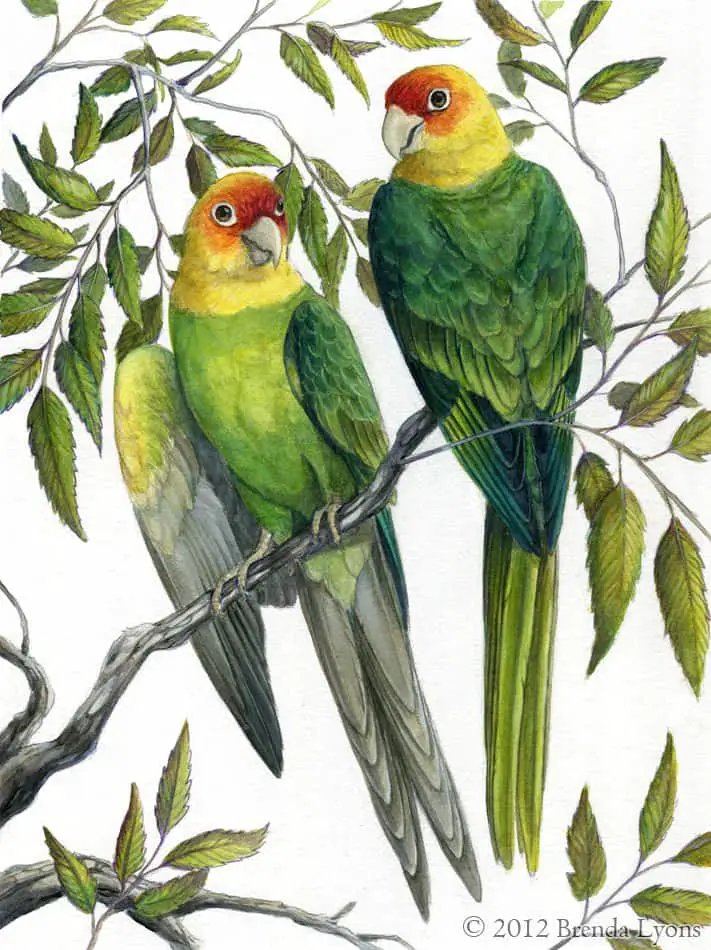
From All About Birds:
Outside of the breeding season the parakeet formed large, noisy flocks that fed on cultivated fruit, tore apart apples to get at the seeds and, ate corn and other grain crops. It was therefore considered a serious agricultural pest and was slaughtered in huge numbers by wrathful farmers. This killing, combined with forest destruction throughout the bird’s range and, hunting for its bright feathers to be used in the millinery trade, caused the Carolina Parakeet to begin declining in the 1800s. The bird was rarely reported outside Florida after 1860 and was considered extinct by the 1920s.
I had no idea that my area of the U.S. had a native parrot species. It is a crying shame that this beautiful, lively bird was driven to extinction. They were easily tamed and had long life spans. Perhaps, there are some still in existence and carefully hidden. ~Vic
Shutterbug Saturday: Tribute Pictures 5.0
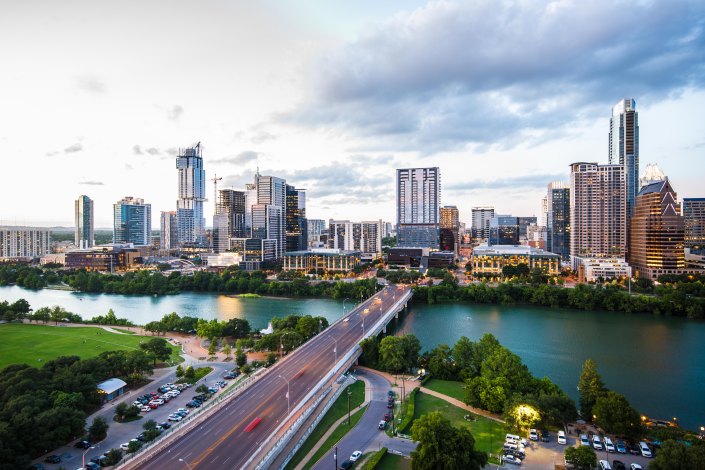
1st Street Bridge
Town Lake (Colorado River)
Photo Credit: Carlos Delgado on Unsplash
It appears that I have more Patton pictures than I realized. Some of them are of him, not by him. Nevertheless, this is looking like a seven part series, now.
♦ Part I
♦ Part II
♦ Part III
♦ Part IV
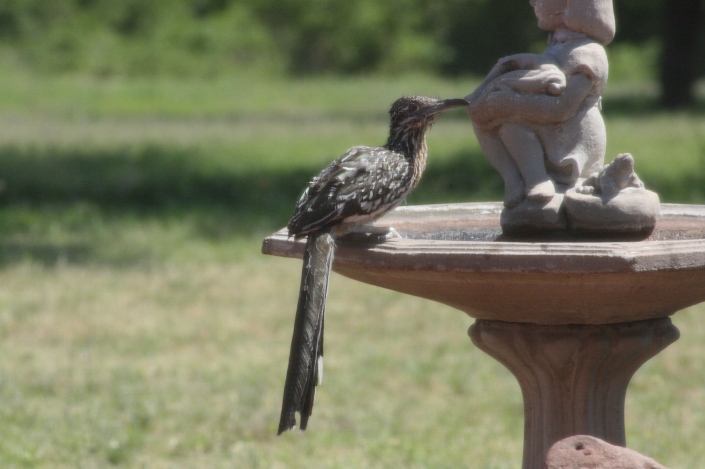
06-04-2008
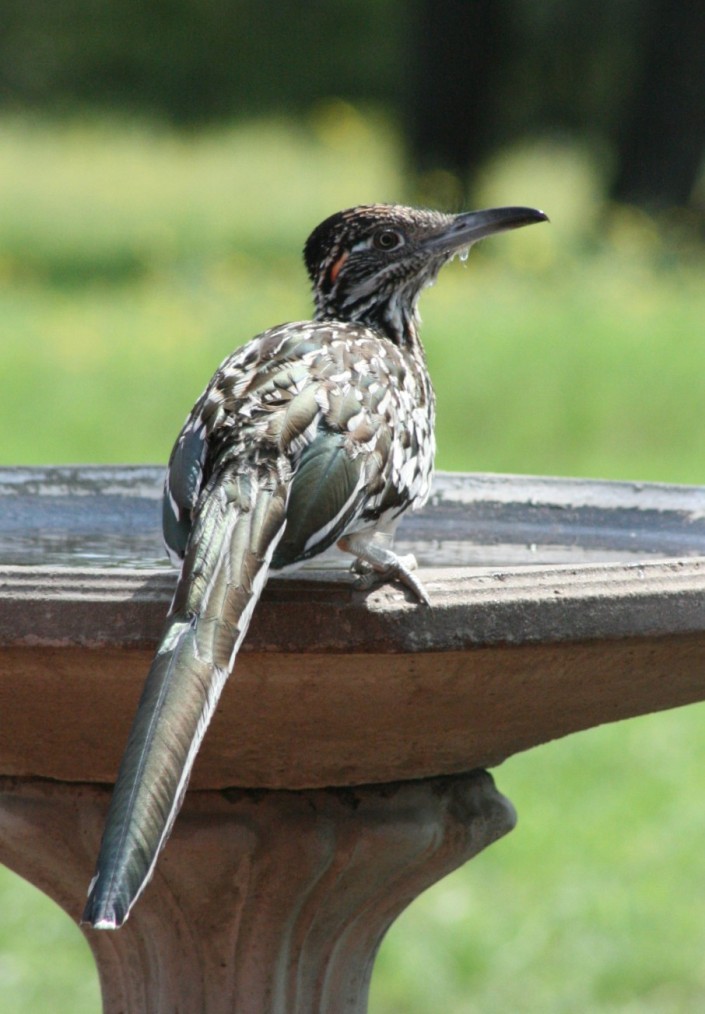
08-27-2008
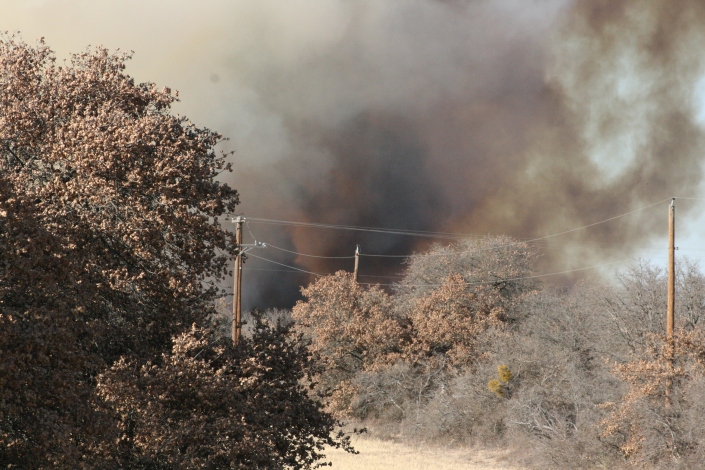
02-24-2009
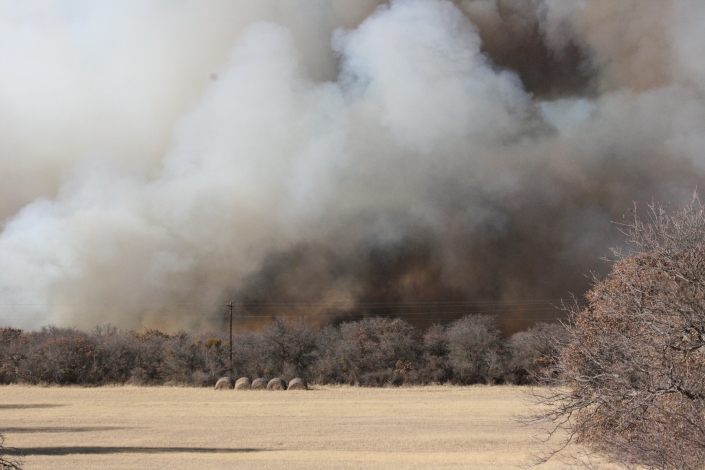
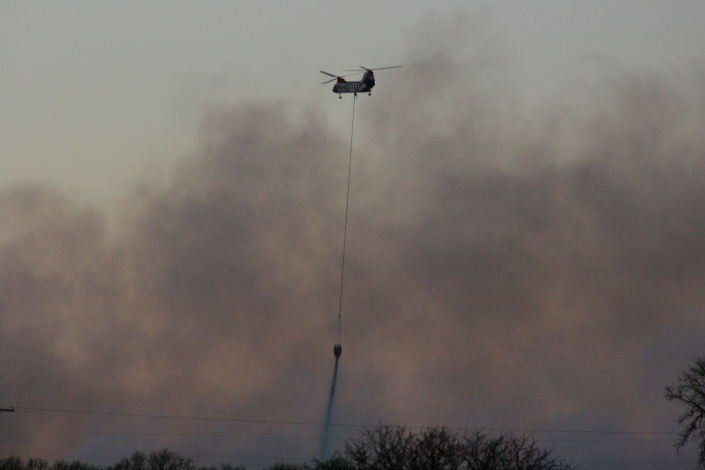


05-08-2008
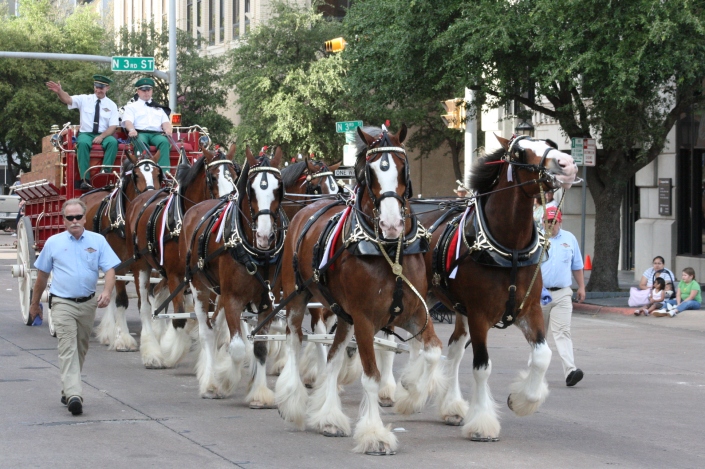
More to come… ~Vic
Shutterbug Saturday: Tribute Pictures 3.0

This is Part Three of the five-part series showcasing my former supervisor W. H. Patton’s photography. The original post is here. Last Saturday’s post is here.
The above picture (on a phone) or the picture to the left (on a PC) is from the Texas Lone Star Wind Farm just outside of Abilene (northeast) and Clyde (northwest). On one of my visits to his ranch in Clyde, he took me out to this wind farm installation. Those wind turbines make the weirdest noises.
I wish I had remembered MY camera.
Round Three below.

Wild turkey in his backyard, 04-07-2008




Shutterbug Saturday: Tribute Pictures 2.0
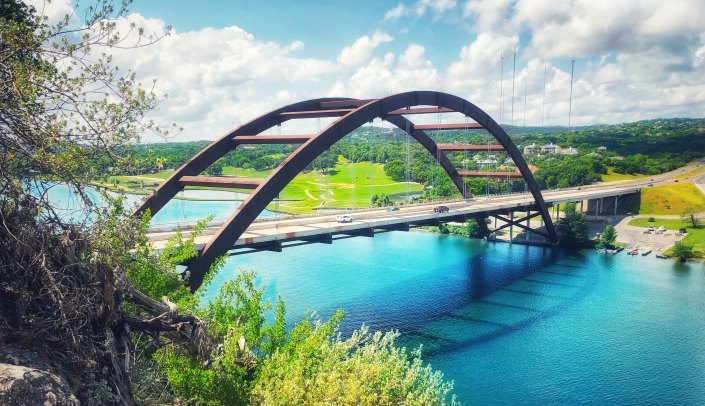
The Percy V. Pennybacker, Jr., Bridge on Loop 360, Capital of Texas Highway, Austin
In my previous post from November 24, I spoke of my former supervisor, W. H. Patton, whom I worked for, and with, from September of 2002 until he retired in May of 2007. This is Part Two of a five-part series. Below are more of his photography works.
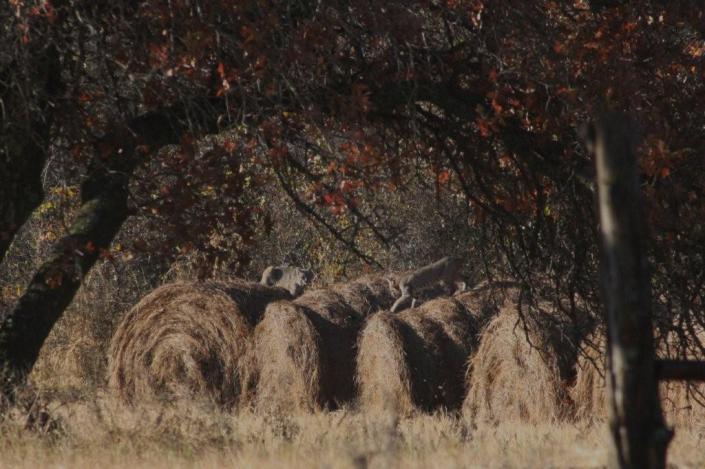
From his ranch in 2007, a pair of Bobcats

From his driveway, 09-16-2008
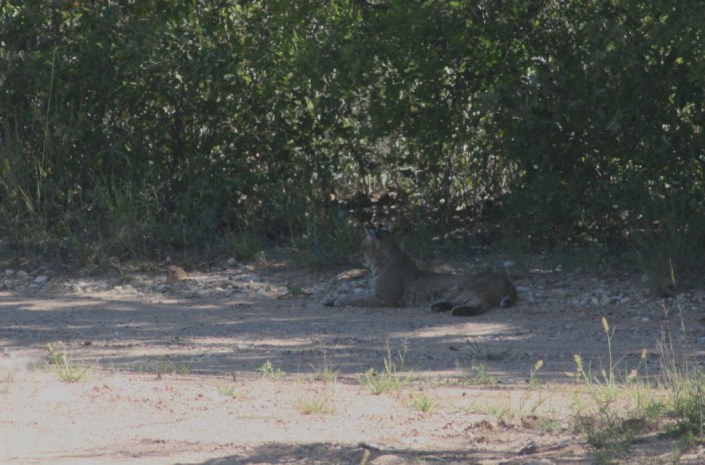
From his driveway, 09-16-2008

From his backyard, 09-16-2008
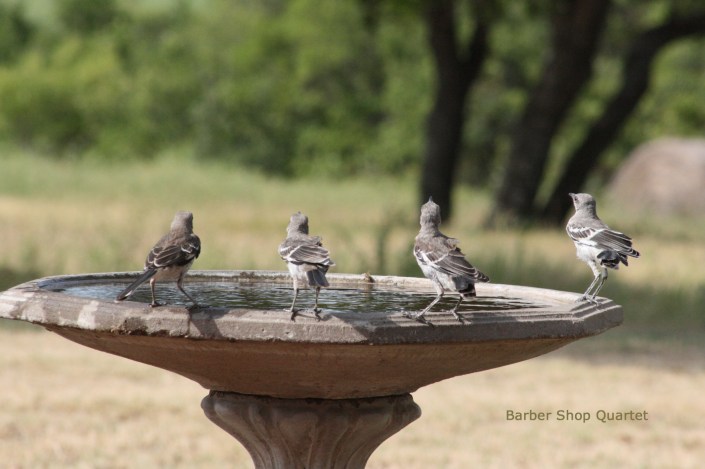
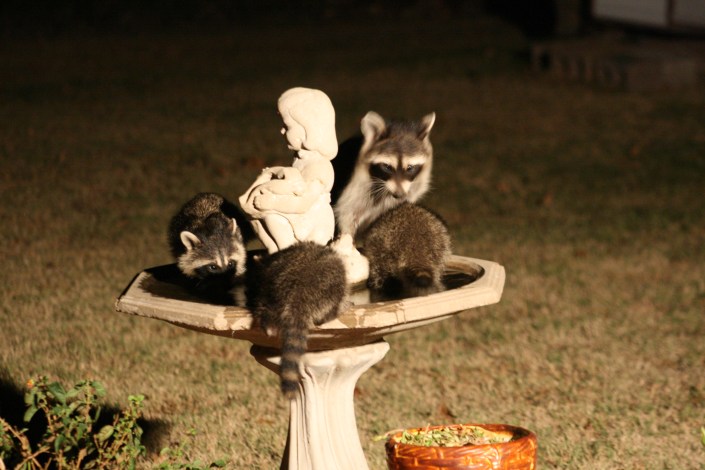
From his back patio, The Quartet 08-10-2008
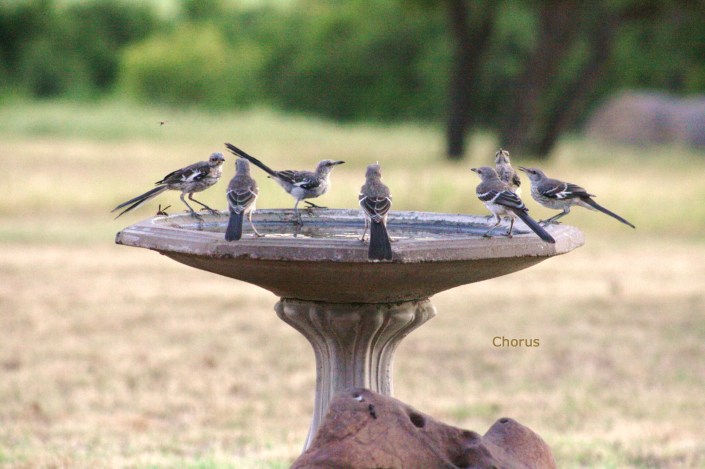
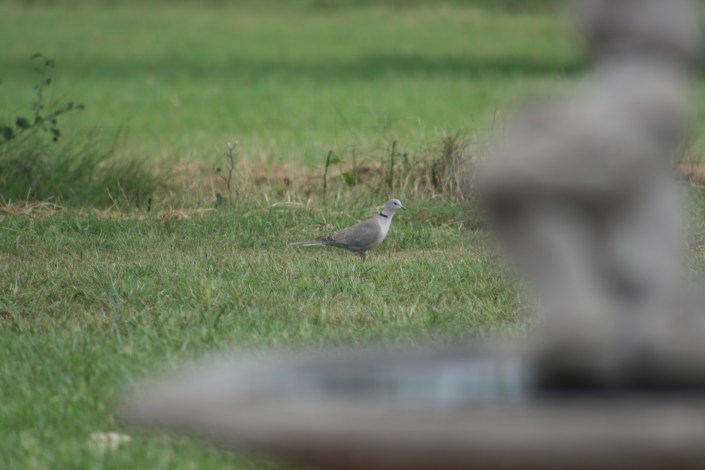
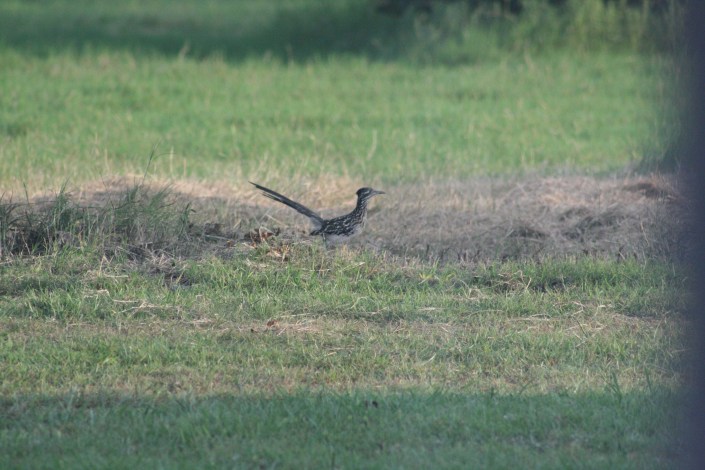
From his back patio, The Texas State Bird Chorus & a couple of wasps 08-10-2008

From his back patio, 07-23-2007
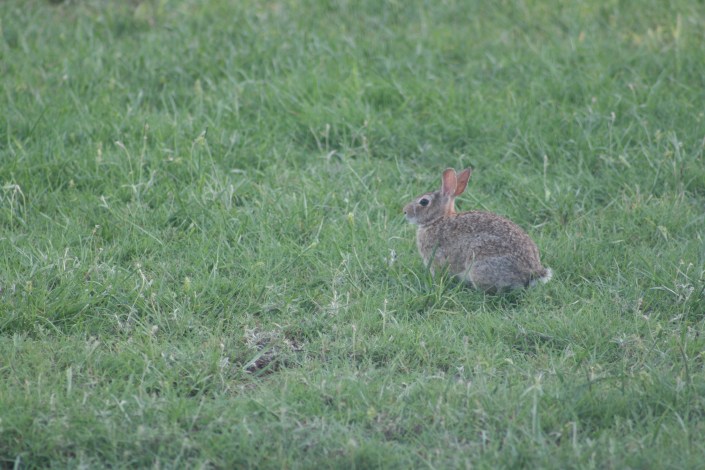
From his backyard, 07-23-2007
Shutterbug Saturday: Tribute Pictures
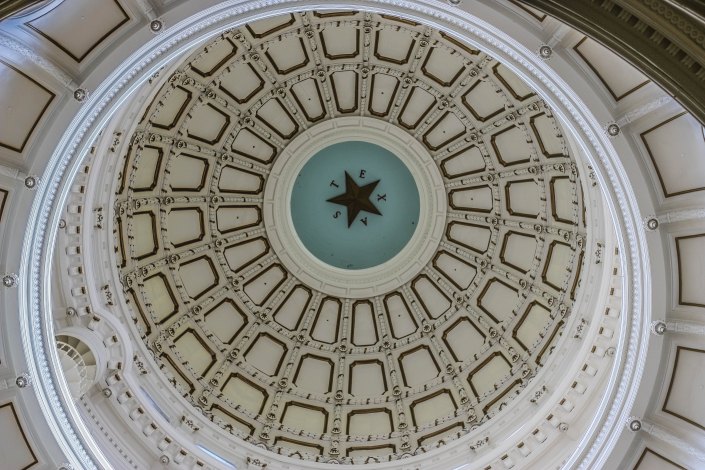
Texas State Capitol Building
I lived and worked in Texas for nearly a decade. I was fortunate enough to snag a Texas State job for the majority of the time I was there. The gentleman that interviewed and hired me was, as it turns out, my immediate Supervisor. He was one of the best bosses I ever had (his replacement after retirement was just as terrific). He did his job and he let me do mine. We sometimes rode the bus together, to and from work (downtown Austin).
I grew to love this man. He was a lanky 6′ 6″ and spoke fluent Spanish with a Texan accent. He had to have heart valve surgery a decade before I met him and, when you got close to him, he ticked like a clock. He owned a ranch just outside of Abilene in a small town called Clyde. He was a cattleman, a businessman, a photographer, a writer, an artist, a musician, a pilot, interviewed two U.S. Presidents and, was good friends with Mac Davis, Kenny Rogers and Dolly Parton. He graduated Texas Tech with a Journalism degree, loved the Red Raiders and served in the U.S. Army Reserves:
“I protected Fort Leonard Wood, MO, from all enemies, foreign and domestic, during the Cuban missile crisis” ~ W. H. Patton
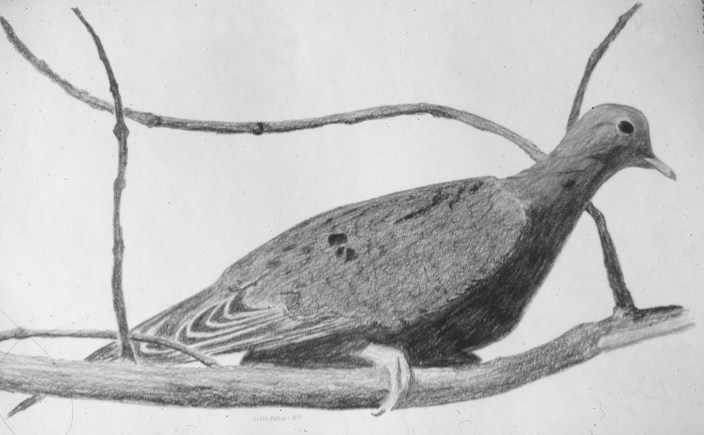
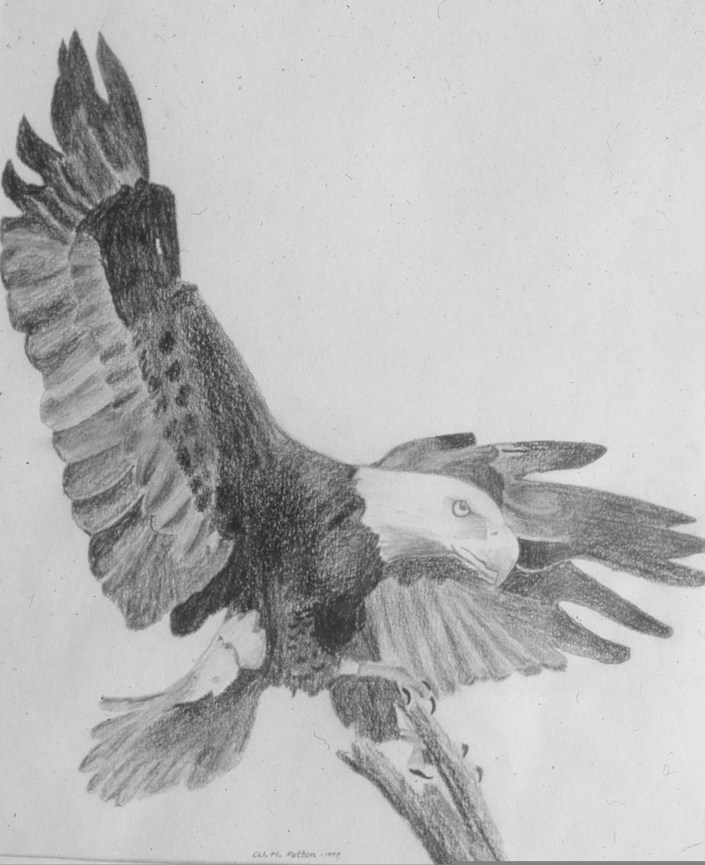
He lived all over the U.S. and Mexico. He moved to the Austin area in 1997 and I met him in 2002. He always had a story to tell and had a wicked sense of humor. He was one hell of a cook and drank like a fish. I am thankful that I met him and am a better person for it. He passed away in 2012, five days after his 73rd birthday. I’d like to share some of his work, as he shared it with me.
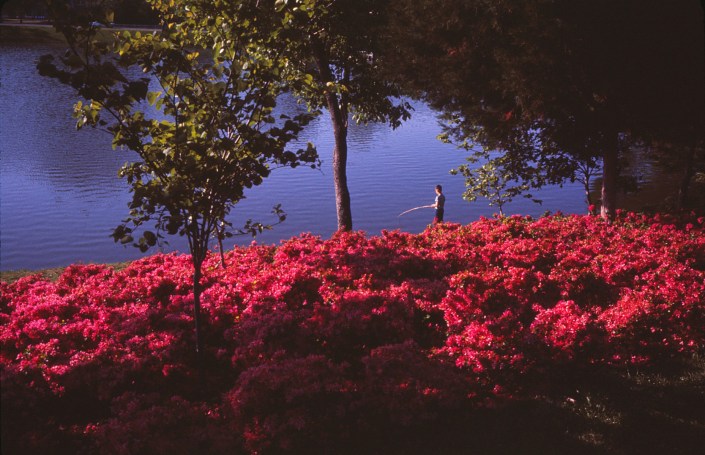
From the 1960s, his son fishing.

From the 1960s, he managed to capture the image of a Barn Owl in an abandoned house.
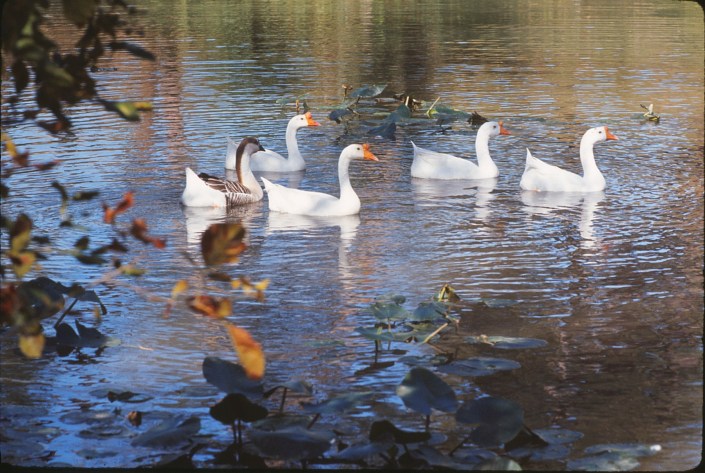
From the 1960s, local geese.

From the 1960s, Kodiak bear.

From the 1960s, a wood duck.
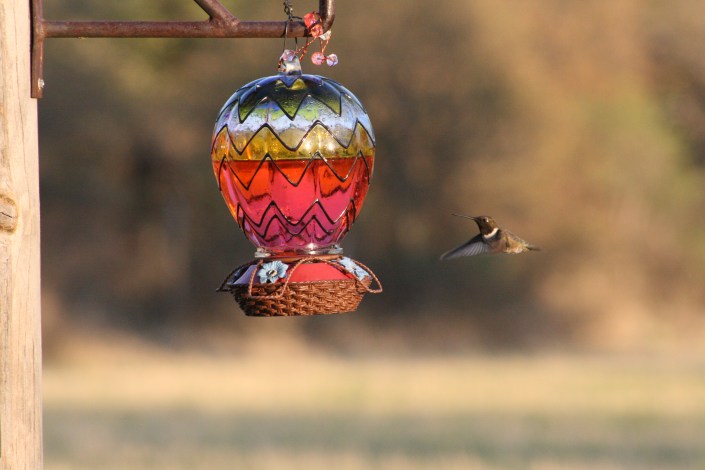
From his backyard, 04-08-2008
- ← Previous
- 1
- 2
 Cosmic-Observation