Well…I had intended to post about the 1959/1960 Payola Scandal that involved Dick Clark but, apparently, The History Channel can’t make up its mind which day it happened on. *sigh*
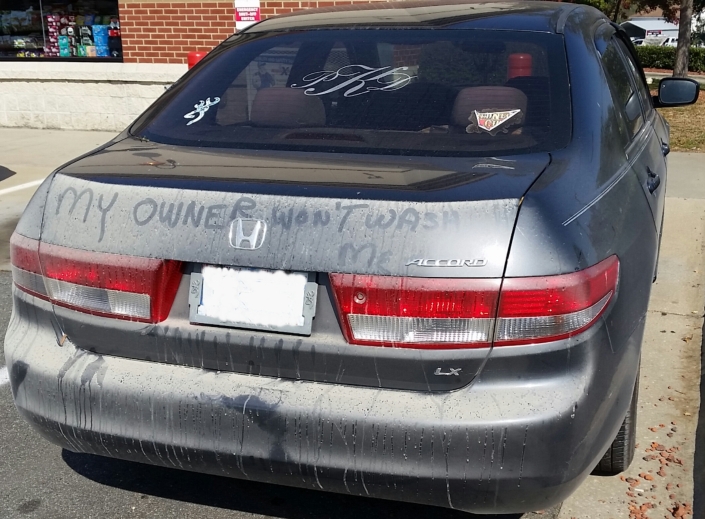
So, instead, Photo of the Day. ~Vic Gassing up my truck, saw this and started to giggle.
11-03-2016
This is a continuation of nature’s creatures. Part I was posted on April 6.
All photos are my personal collection. ~Vic
Just hanging out on the front porch.
10-08-2014Long legs and big feet.
10-08-2014Walking around town.
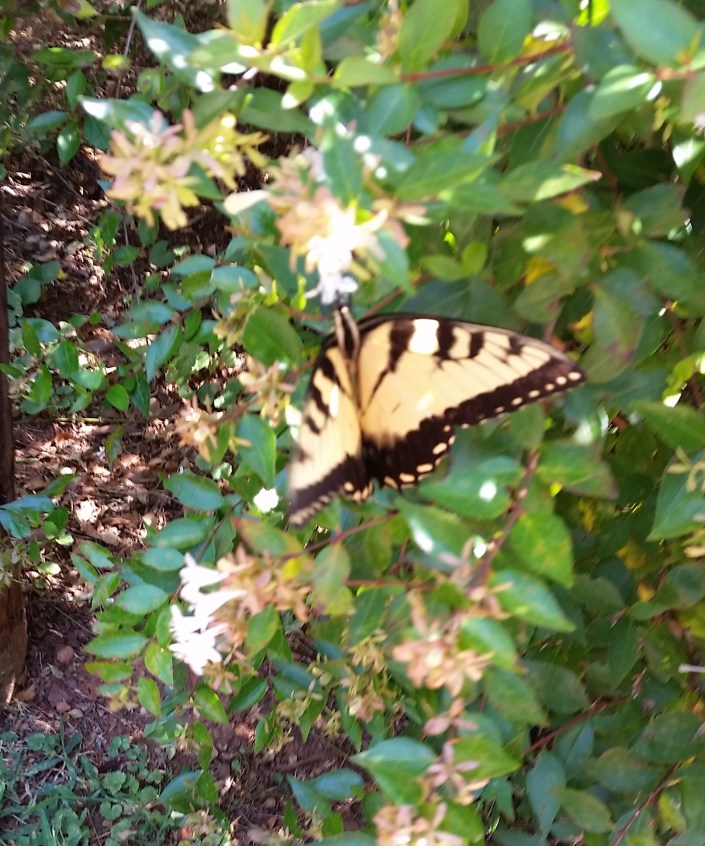
Poor focus but, still beautiful.
07-31-2016This was a huge web with an equally huge spider.
Also a poor focus. I was keeping some distance.
My phone didn’t want to coöperate.
The tan blur in the center is said spider.
09-06-2016Another huge spider, hanging from the eave over the front porch.
A light rain highlighted the web.
09-30-2016I believe this cute, deceased, furry thing is a mole but, I’m not totally sure.
The neighbor’s cat brought me a present.
10-21-2016I nearly missed seeing this after finding the mole.
She is almost the same color as the table.This is the first Preying Mantis I’ve seen that was brown.
Most of the ones I have encountered, before, were green.
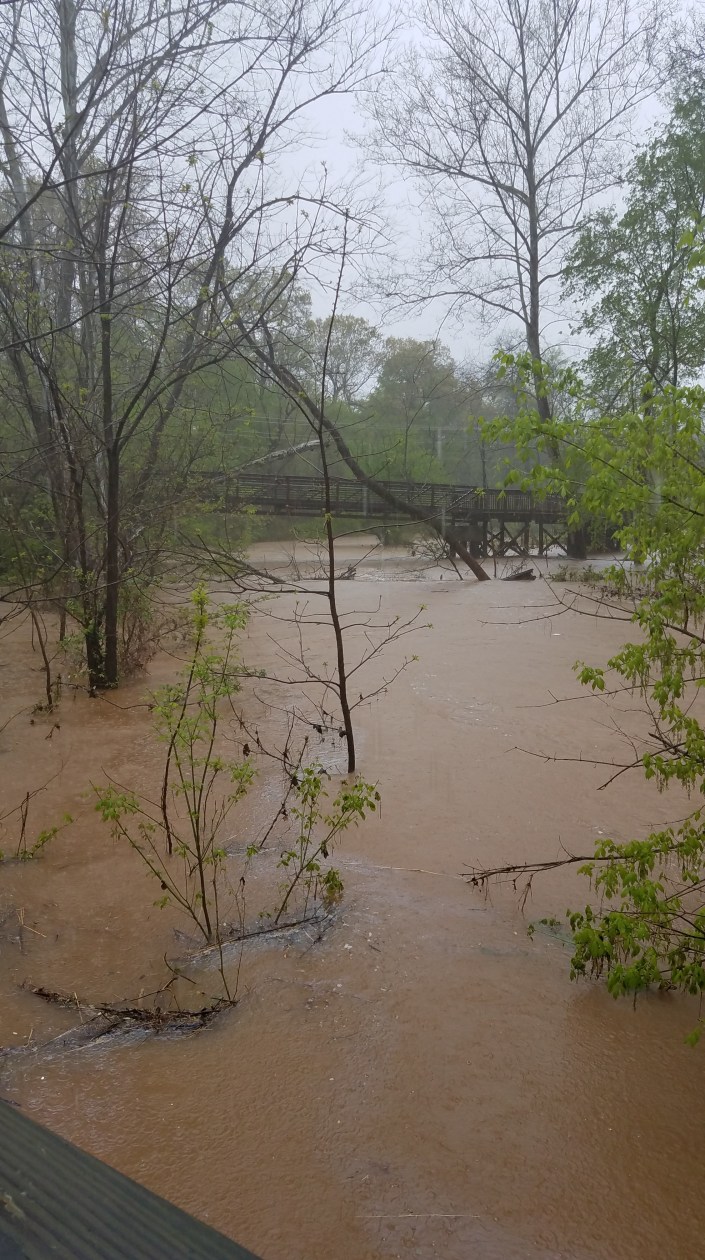
We continue to have stormy, rainy weather and the temperature has dropped, considerably. We traded floods for tornadoes, yesterday. I learned, today, that two small farms south of town were damaged. I have a healthy respect for Mother Nature. ~Vic
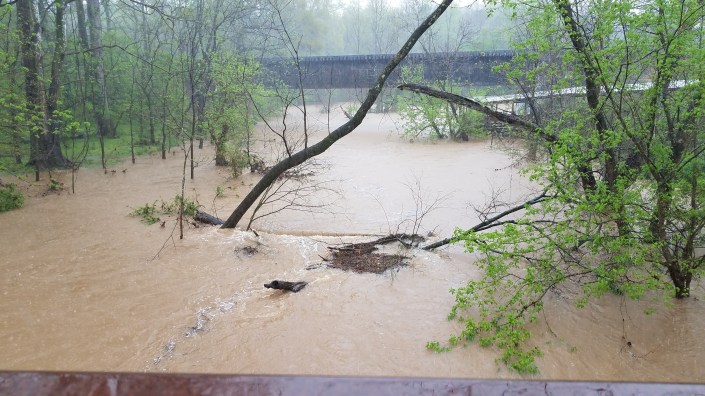
Swollen drainage ditch to the river.
This helped flood my neighbor's backyard.
04-13-2019The tiny creek at Turnip Patch Park took out one of the benches.The Riverwalk is to the far right.
The town closed it for a couple of days.
I saw a juvenile garter snake making its way back across the walk when I was out on the third day.Train trestle in the background.The wooden fence is a barrier between Gold Park & the Eno.That is the bridge I was standing on to photograph the Riverwalk & the trestle.
Ok. So. No full moon pix for today. *sigh* We have been inundated with storms…again. We were bombarded with tornado warnings for five hours. An area just south of town close to I-40 was damaged. I am so glad it’s over.
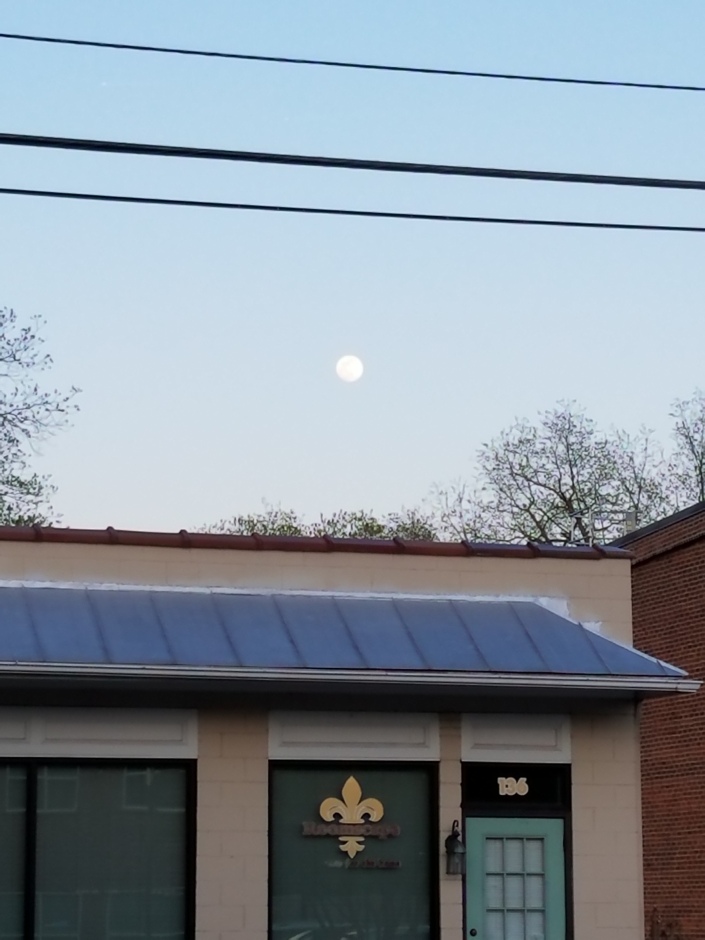
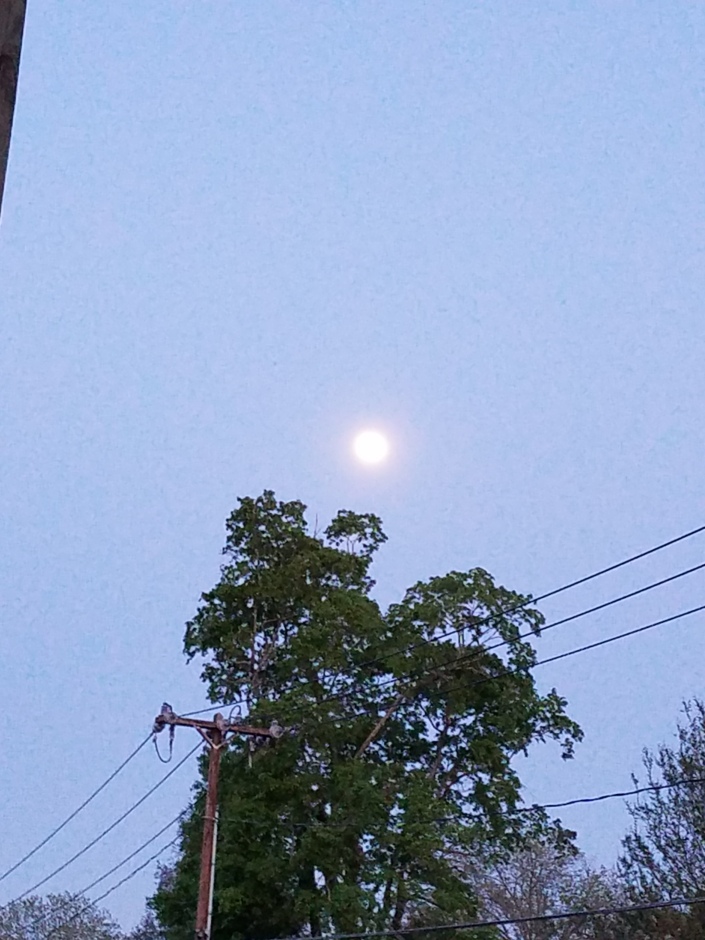
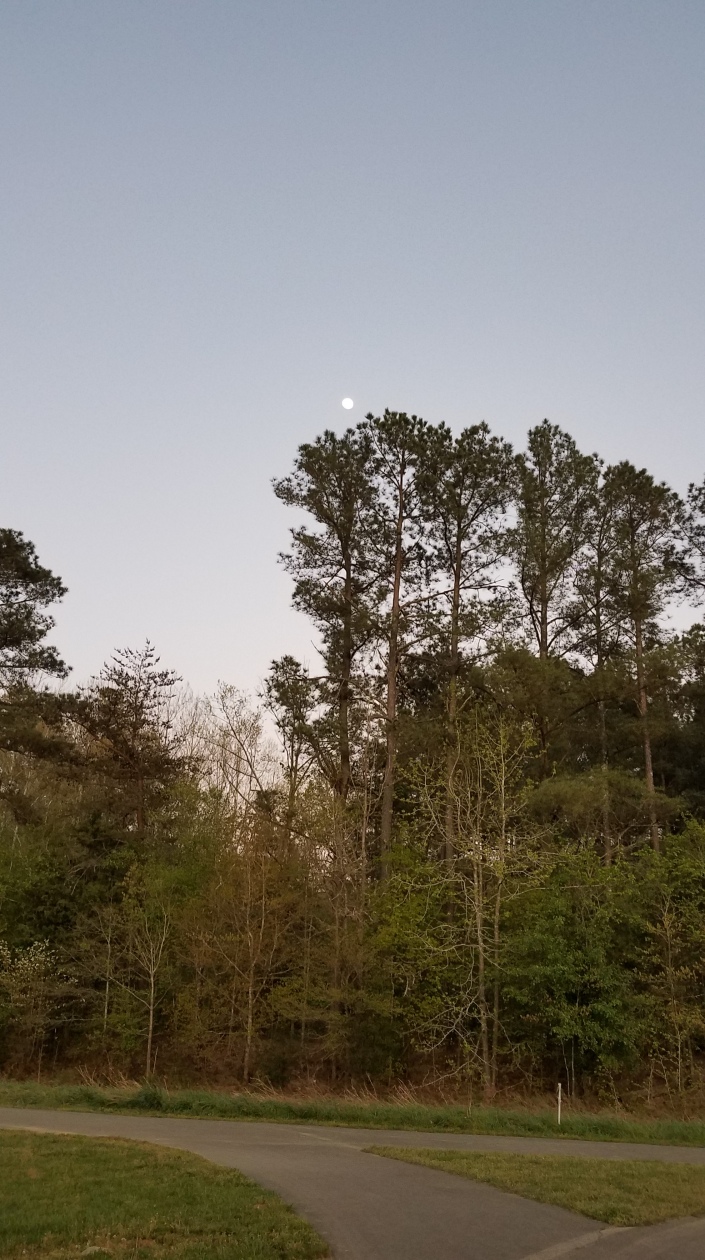
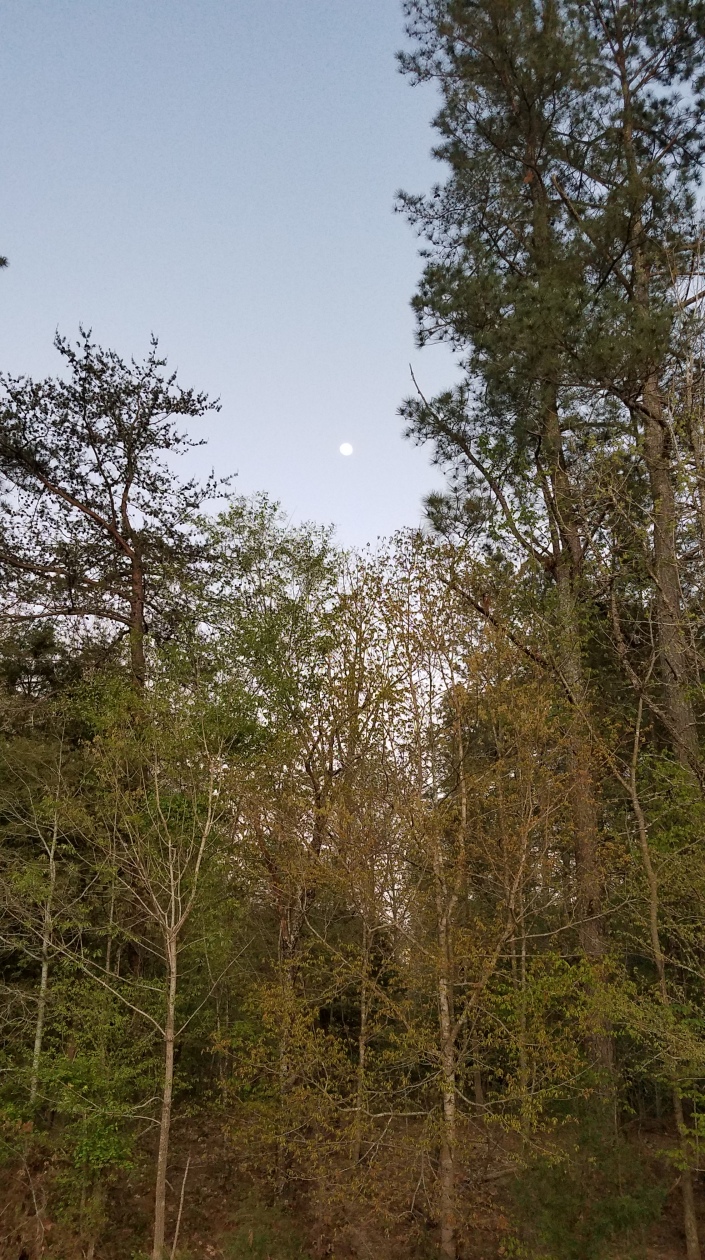
That being said, I do have some shots of the waxing gibbous moon from April 28, 2018. I suspect I had the same problem during that full moon on April 29 (8:58pm EDT)…bad weather. I also have some waxing gibbous shots from April 16.
Howl for me! ~Vic
Pink Moon 2019 was at 100% illumination at 7:12am EDT.
April’s full moon is widely known as the Full Pink Moon, even though it doesn’t actually turn pastel pink as the name suggests. The Full Pink Moon’s name comes from the abundance of moss phlox, a common little pink flower that typically begins to spread across the ground in early spring. With that said, this creeping phlox is not the only thing that begins blooming during the Full Pink Moon.
In many Native American tribes, April’s full moon is associated with the bustling life and vibrant growth of spring. In Sioux culture, it’s named after the sprouting of red grass. The Comanche tribe called it the New Spring Moon and, both the Tlingit and Sioux tribes referred to it as the Budding Moon, after the new plants that begin to bud and sprout during spring. The Cherokee tribe even called it the Flower Moon (though that name is also sometimes used to refer to May’s full moon) and celebrated it for the growth of useful medicinal plants and magical herbs.
Walking back home.
At the same time, April is a time when rivers and streams begin to fully thaw. Accordingly, the Shoshone tribe named April’s full moon the Full Melting Moon and the Arapaho tribe called it the Moon Where Ice Breaks in the River. It was also known as the Fish Moon because of the fish that would begin to swim upstream during this time. The Cherokees believed that flowing water was under the control of a spirit called the Long Man and would perform rituals to honor him during the Full Pink Moon. An example of a ritual like this was the Knee Deep Dance, based off the movements of the Water Frog. The Assiniboine tribe also called April’s full moon the Frog Moon.
Water is not the only thing that starts to flow during the Full Pink Moon. This is also the time where maple sap begins to flow in earnest, marking the true beginning of the incredibly important sugar-making season. The Abenaki tribes called April’s full moon the Sugar Maker Moon, and the Ojibwe called it the Sugarbush Moon. The Ojibwe tribe would journey north to their spring camps to tap maple syrup and engage in spear fishing. Maple syrup was integral to Ojibwe culture. Not only was it a crucial method of seasoning all their foods (they did not have access to salt at that time) but, it also symbolized harmony within the community and with the forces of nature around them.
Gold Park
Waxing Gibbous
04-16-2019
The Full Pink Moon also holds religious significance in other cultures. For example, in Islāmic communities around the world, April’s full moon is celebrated as Bara’at Night, also known as the Night of Innocence. Muslims offer up prayers, asking God to absolve dead ancestors of their sins. They also prepare sweet desserts such as halwa or zarda and give it out to children, the needy and other members of their community. Meanwhile, Christians call it the Paschal Moon and celebrate the first Sunday after April’s full moon as Easter Sunday. It’s possible that the reason why the Easter Bunny brings eggs is because April’s full moon is also known as the Egg Moon, given that animals such as geese begin mating and laying eggs in spring.
While April is known for its showers and ever-warming temperatures, it is also known as a month when spring flowers begin to show up. The name came from the herb moss pink or wild ground phlox which is one of the earliest widespread flowers of the spring. As the name infers, the flowers are pink in color, thus the name for April’s full Moon. But no, the Moon itself won’t be turning pink.
Tribes kept track of the seasons by giving distinctive names to each recurring full Moon. Full Moon names were applied to the entire month in which each occurred. There was some variation in the full Moon names but, in general, the same ones were consistent among regional tribes. European settlers followed that custom and created some of their own names.
Other names for this month’s celestial body include the Full Sprouting Grass Moon, the Egg Moon and, among coastal tribes the Full Fish Moon, because this was the time that the shad swam upstream to spawn.
Out on one of my walks, several of these happy things were poking out through the wrought iron fence. I haven’t the first clue what this is but, it’s flower-ish, I suppose. It is quite striking. If anyone knows what this is, SPEAK. ~Vic
Update:
Thanks to another blogger, this strange flower is a Euphorbia, or Spurge, which is the same family that Poinsettias come from. This particular variety is either an amygdaloides variant called ‘Robbiae’ or, a Redwing Charam, which is a hybrid of amygdaloides and martinii. I can’t tell. Thank you!
















 Cosmic-Observation