We continue to have stormy, rainy weather and the temperature has dropped, considerably. We traded floods for tornadoes, yesterday. I learned, today, that two small farms south of town were damaged. I have a healthy respect for Mother Nature. ~Vic
Swollen drainage ditch to the river.
This helped flood my neighbor's backyard.
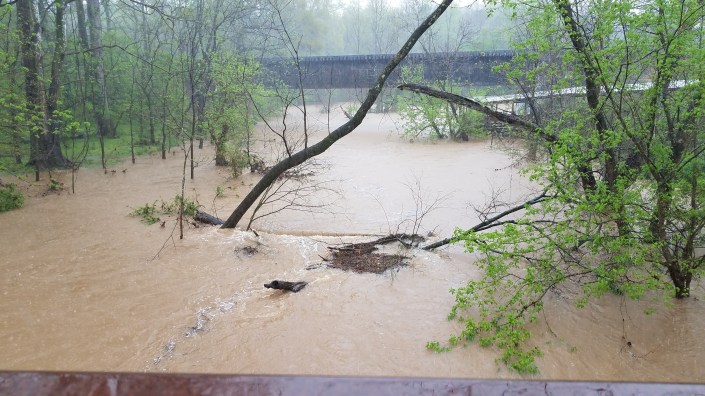
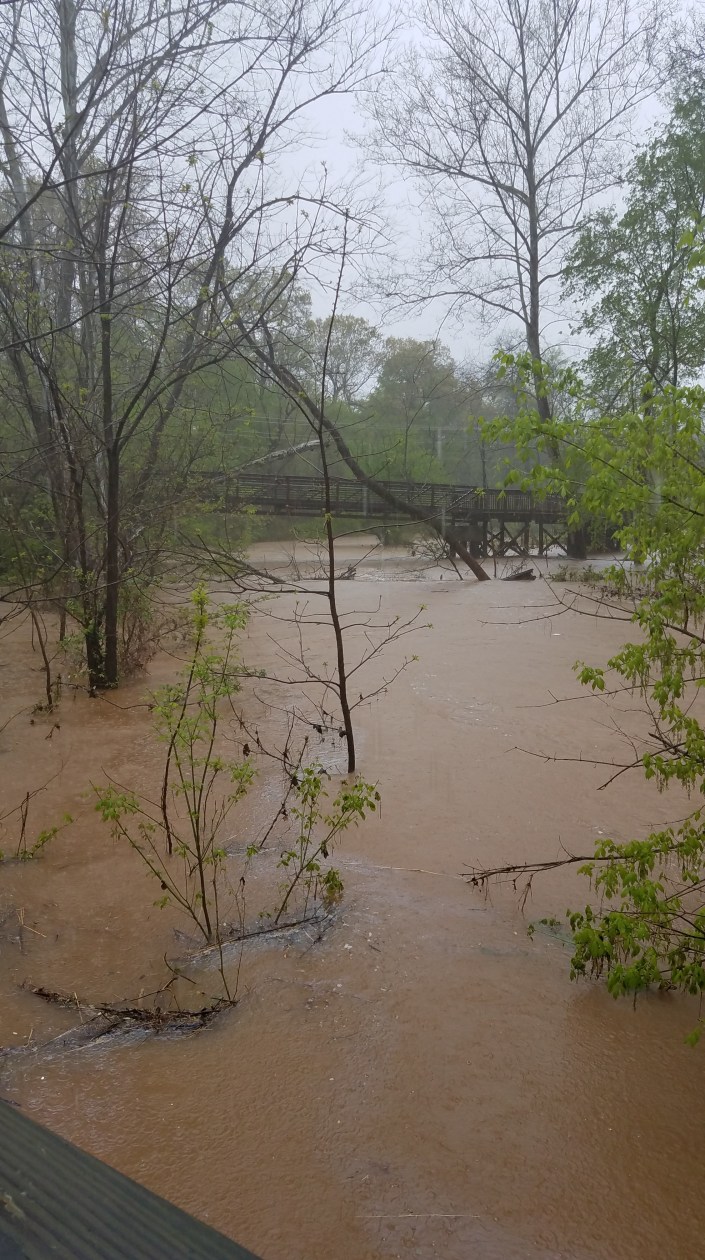
04-13-2019The tiny creek at Turnip Patch Park took out one of the benches.The Riverwalk is to the far right.
The town closed it for a couple of days.
I saw a juvenile garter snake making its way back across the walk when I was out on the third day.Train trestle in the background.The wooden fence is a barrier between Gold Park & the Eno.That is the bridge I was standing on to photograph the Riverwalk & the trestle.
Ok. So. No full moon pix for today. *sigh* We have been inundated with storms…again. We were bombarded with tornado warnings for five hours. An area just south of town close to I-40 was damaged. I am so glad it’s over.
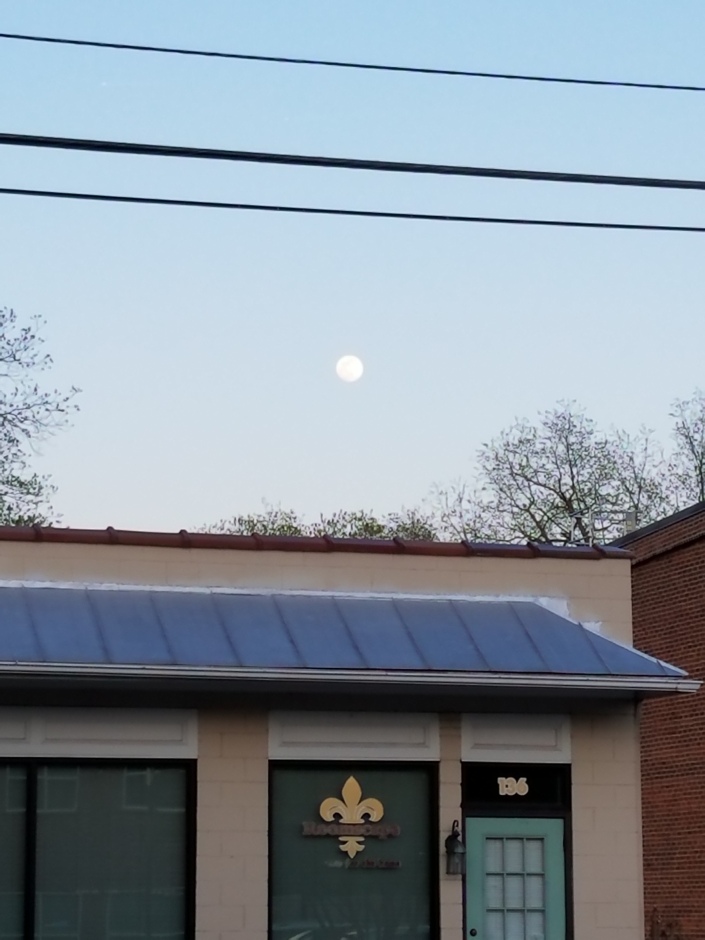
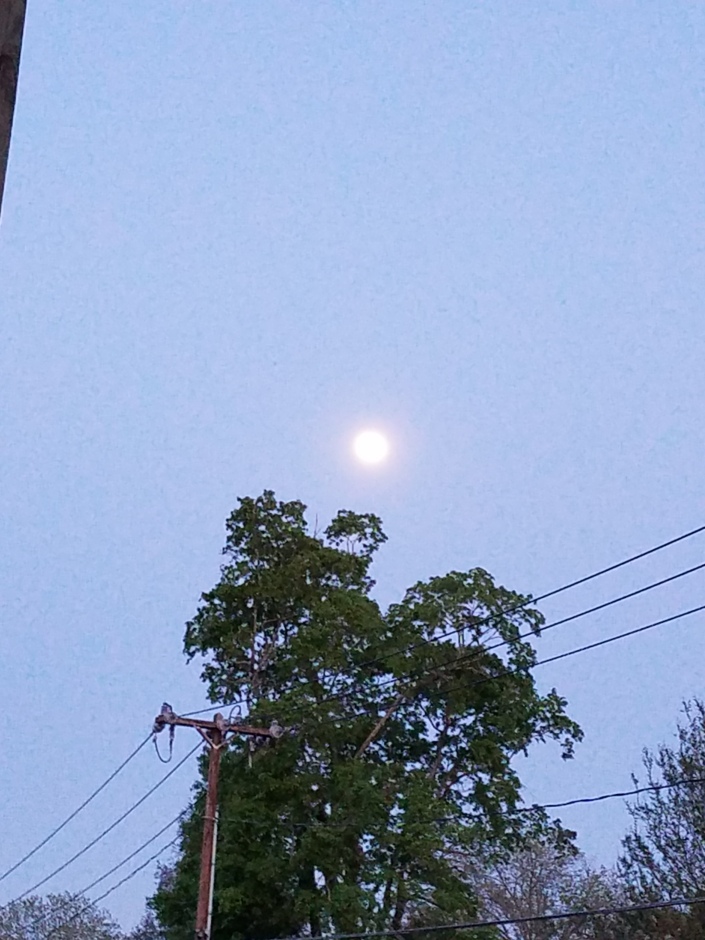
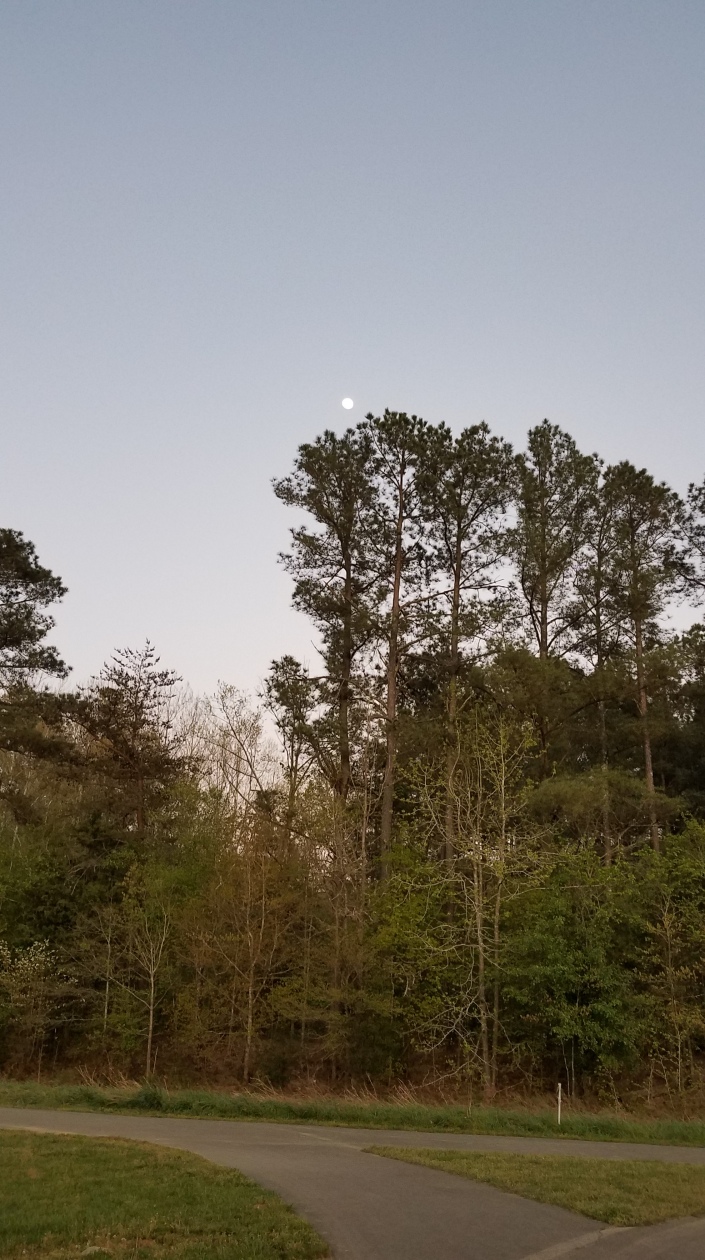
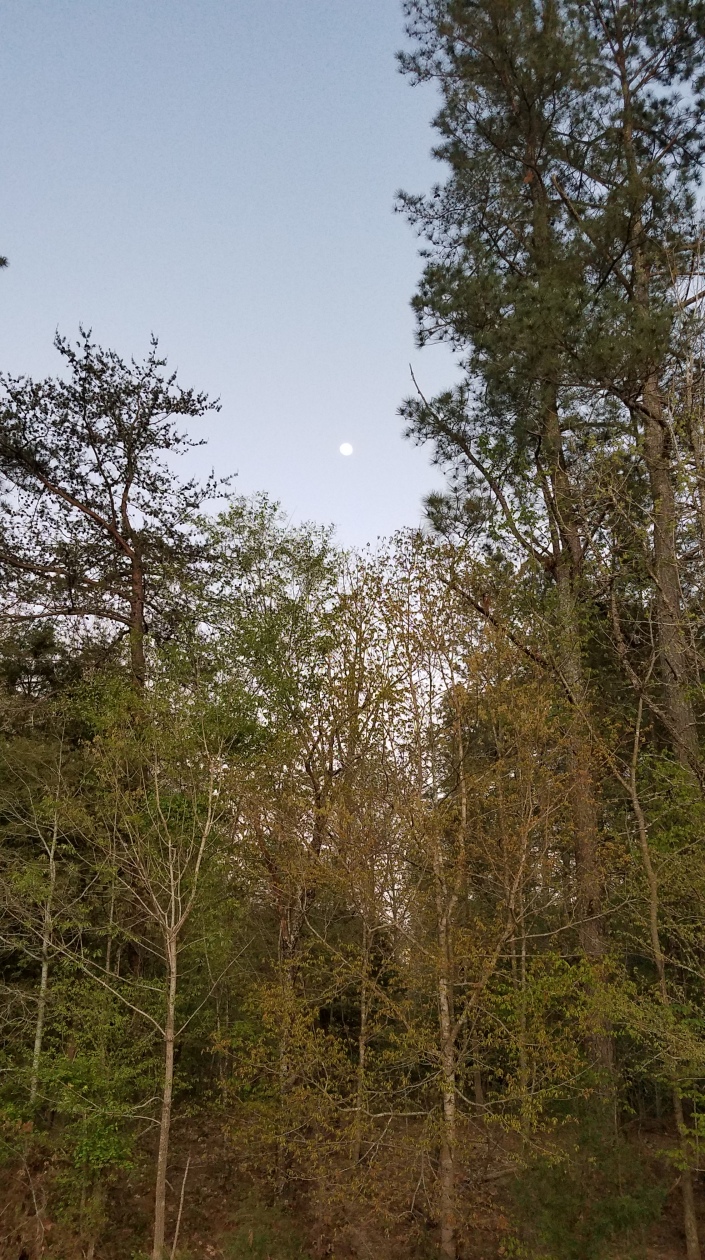
That being said, I do have some shots of the waxing gibbous moon from April 28, 2018. I suspect I had the same problem during that full moon on April 29 (8:58pm EDT)…bad weather. I also have some waxing gibbous shots from April 16.
Howl for me! ~Vic
Pink Moon 2019 was at 100% illumination at 7:12am EDT.
April’s full moon is widely known as the Full Pink Moon, even though it doesn’t actually turn pastel pink as the name suggests. The Full Pink Moon’s name comes from the abundance of moss phlox, a common little pink flower that typically begins to spread across the ground in early spring. With that said, this creeping phlox is not the only thing that begins blooming during the Full Pink Moon.
In many Native American tribes, April’s full moon is associated with the bustling life and vibrant growth of spring. In Sioux culture, it’s named after the sprouting of red grass. The Comanche tribe called it the New Spring Moon and, both the Tlingit and Sioux tribes referred to it as the Budding Moon, after the new plants that begin to bud and sprout during spring. The Cherokee tribe even called it the Flower Moon (though that name is also sometimes used to refer to May’s full moon) and celebrated it for the growth of useful medicinal plants and magical herbs.
Walking back home.
At the same time, April is a time when rivers and streams begin to fully thaw. Accordingly, the Shoshone tribe named April’s full moon the Full Melting Moon and the Arapaho tribe called it the Moon Where Ice Breaks in the River. It was also known as the Fish Moon because of the fish that would begin to swim upstream during this time. The Cherokees believed that flowing water was under the control of a spirit called the Long Man and would perform rituals to honor him during the Full Pink Moon. An example of a ritual like this was the Knee Deep Dance, based off the movements of the Water Frog. The Assiniboine tribe also called April’s full moon the Frog Moon.
Water is not the only thing that starts to flow during the Full Pink Moon. This is also the time where maple sap begins to flow in earnest, marking the true beginning of the incredibly important sugar-making season. The Abenaki tribes called April’s full moon the Sugar Maker Moon, and the Ojibwe called it the Sugarbush Moon. The Ojibwe tribe would journey north to their spring camps to tap maple syrup and engage in spear fishing. Maple syrup was integral to Ojibwe culture. Not only was it a crucial method of seasoning all their foods (they did not have access to salt at that time) but, it also symbolized harmony within the community and with the forces of nature around them.
Gold Park
Waxing Gibbous
04-16-2019
The Full Pink Moon also holds religious significance in other cultures. For example, in Islāmic communities around the world, April’s full moon is celebrated as Bara’at Night, also known as the Night of Innocence. Muslims offer up prayers, asking God to absolve dead ancestors of their sins. They also prepare sweet desserts such as halwa or zarda and give it out to children, the needy and other members of their community. Meanwhile, Christians call it the Paschal Moon and celebrate the first Sunday after April’s full moon as Easter Sunday. It’s possible that the reason why the Easter Bunny brings eggs is because April’s full moon is also known as the Egg Moon, given that animals such as geese begin mating and laying eggs in spring.
While April is known for its showers and ever-warming temperatures, it is also known as a month when spring flowers begin to show up. The name came from the herb moss pink or wild ground phlox which is one of the earliest widespread flowers of the spring. As the name infers, the flowers are pink in color, thus the name for April’s full Moon. But no, the Moon itself won’t be turning pink.
Tribes kept track of the seasons by giving distinctive names to each recurring full Moon. Full Moon names were applied to the entire month in which each occurred. There was some variation in the full Moon names but, in general, the same ones were consistent among regional tribes. European settlers followed that custom and created some of their own names.
Other names for this month’s celestial body include the Full Sprouting Grass Moon, the Egg Moon and, among coastal tribes the Full Fish Moon, because this was the time that the shad swam upstream to spawn.
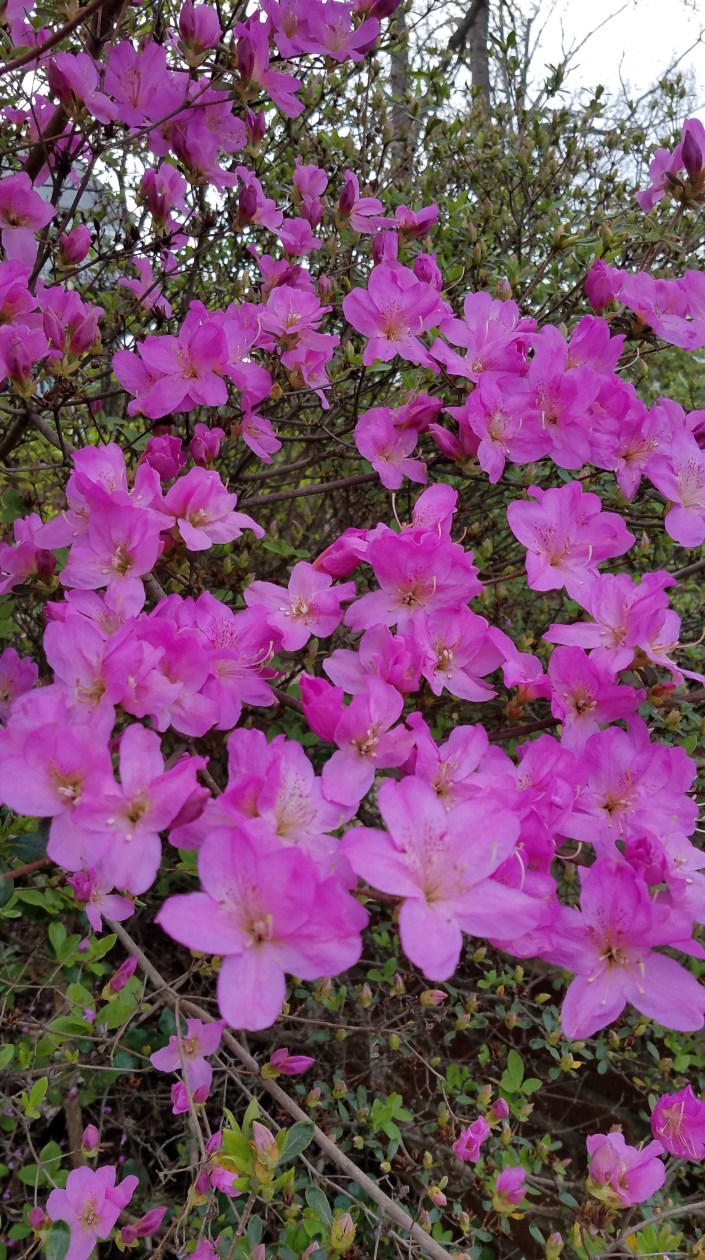
Out on one of my walks, several of these happy things were poking out through the wrought iron fence. I haven’t the first clue what this is but, it’s flower-ish, I suppose. It is quite striking. If anyone knows what this is, SPEAK. ~Vic
Update:
Thanks to another blogger, this strange flower is a Euphorbia, or Spurge, which is the same family that Poinsettias come from. This particular variety is either an amygdaloides variant called ‘Robbiae’ or, a Redwing Charam, which is a hybrid of amygdaloides and martinii. I can’t tell. Thank you!
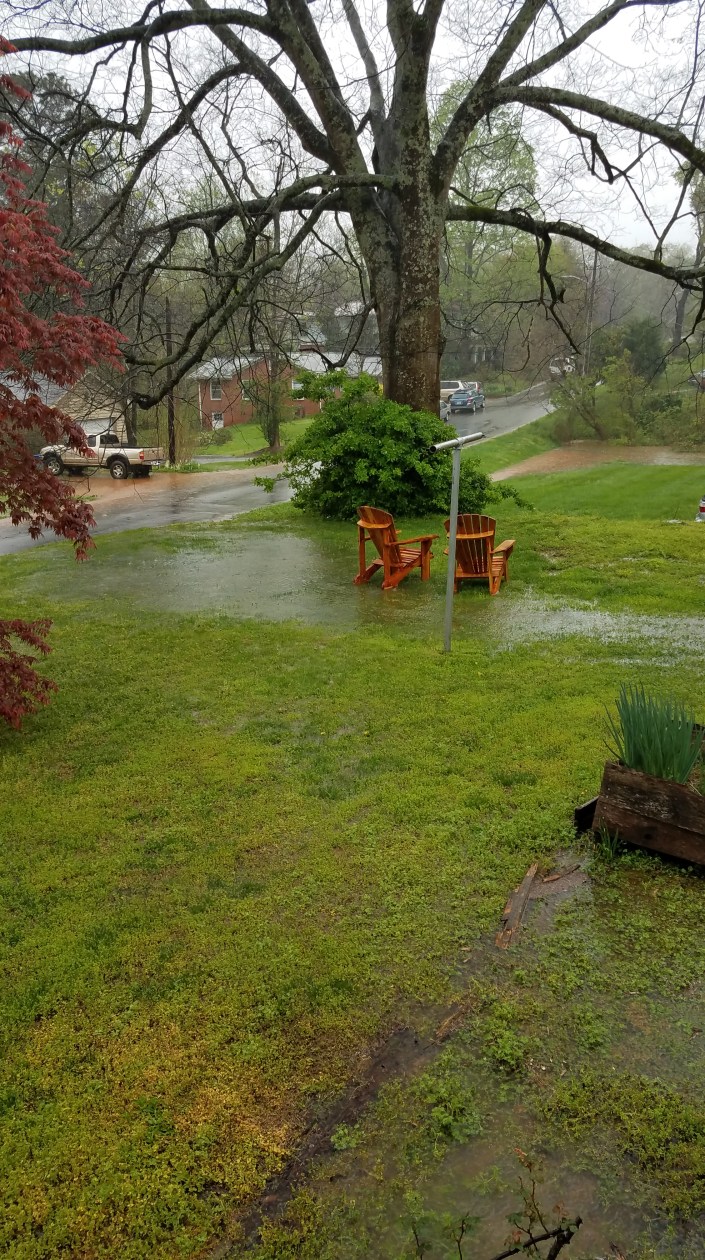
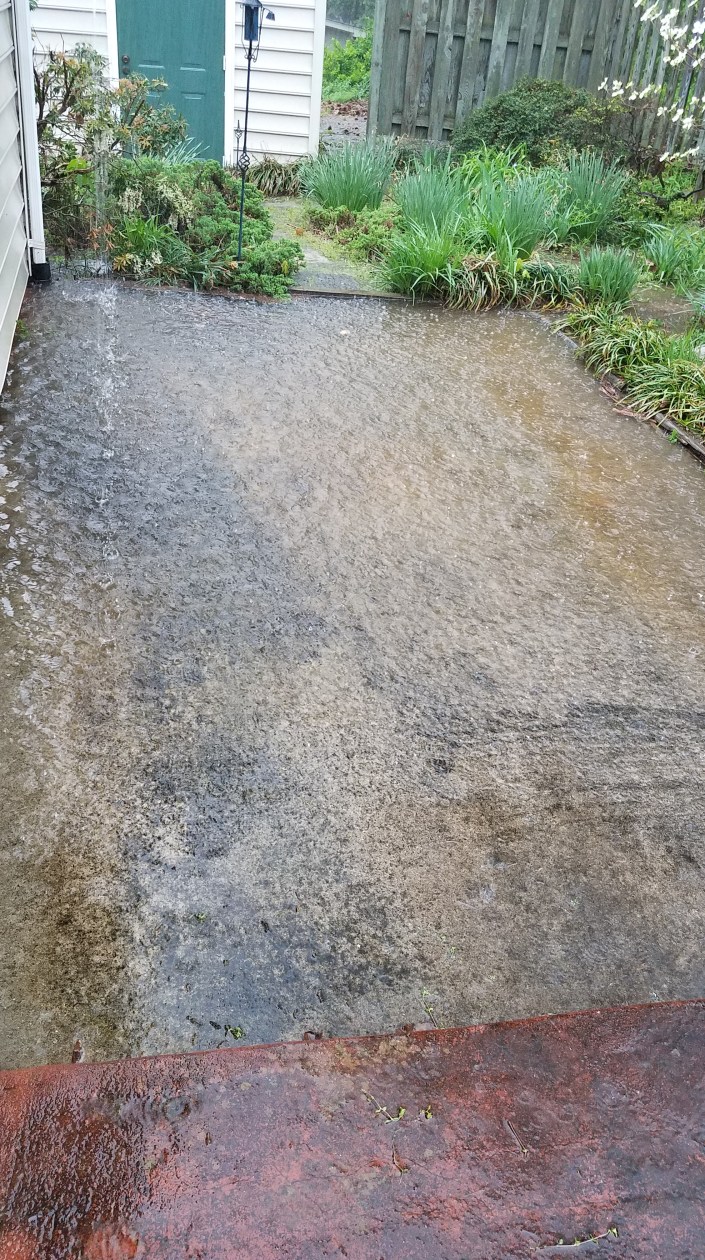
Or, Toad Strangler or, Gully Washer… My dad was fond of the frog saying and my maternal grandfather always used the latter. All three are good descriptions of the storm that just swept through here, today. I haven’t seen this much water since Hurricane Matthew in 2016. Have mercy… ~Vic
I thought my chairs might float away.
The backdoor neighbor had his own mini-river.Patio at the side door looks like a mini-swimming pool.
Water from the next door neighbor’s poor drainage…The gold pick-up in the first photo…this is his backyard.
The Eno hasn’t crested, yet and, the water is at his backdoor right now.Bench at Turnip Patch Park didn’t fare well.Entrance to Gold Park underwater.
One sewer access is over-flowing.Underwater graffiti.
See my previous post on this. Picture #2
Sharing some graffiti artwork from our Riverwalk. All photos are from my personal collection. ~Vic
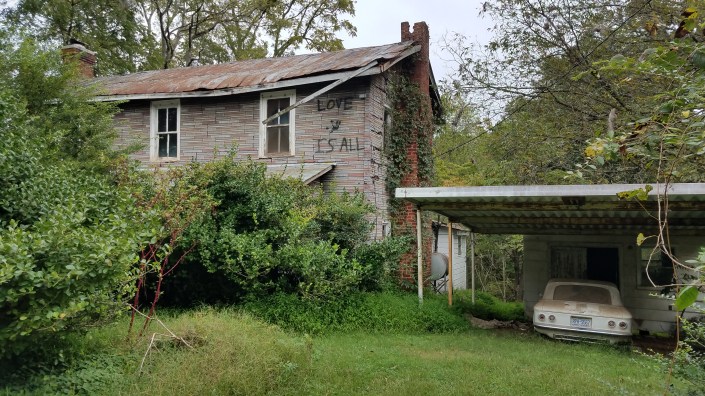
Decorating an abandoned house.
Love is all…y’all.
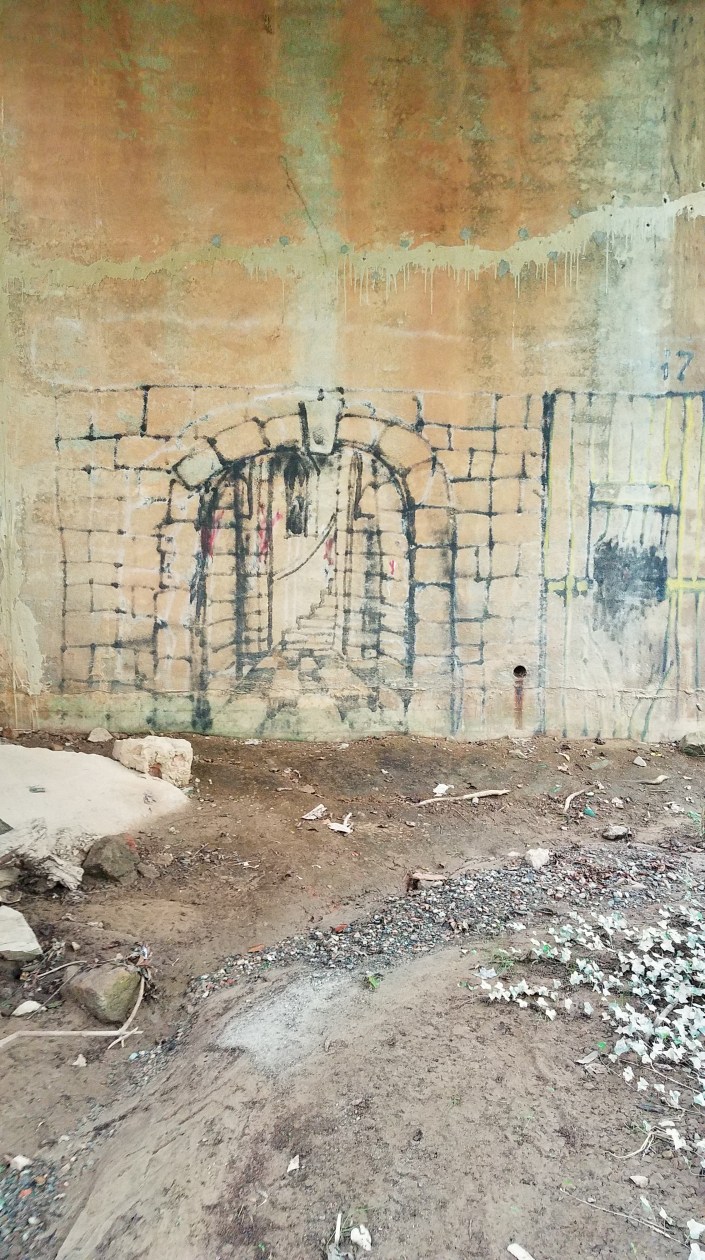
09-23-2018That looks like a wooden prison door.
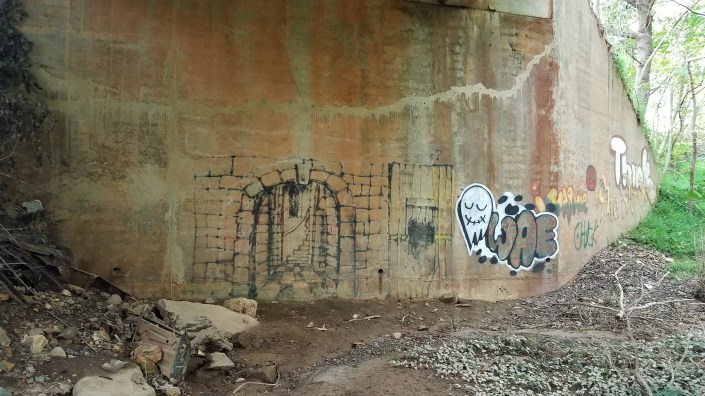
I have no idea what WAE stands for.
10-06-2018Door to the underworld?
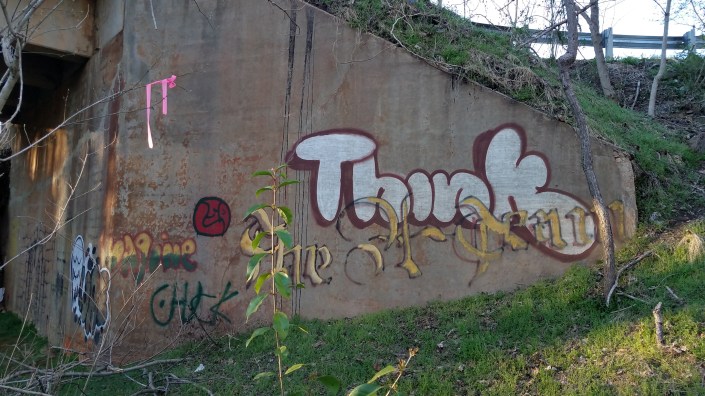
10-06-2018Think and, live life to the fullest.
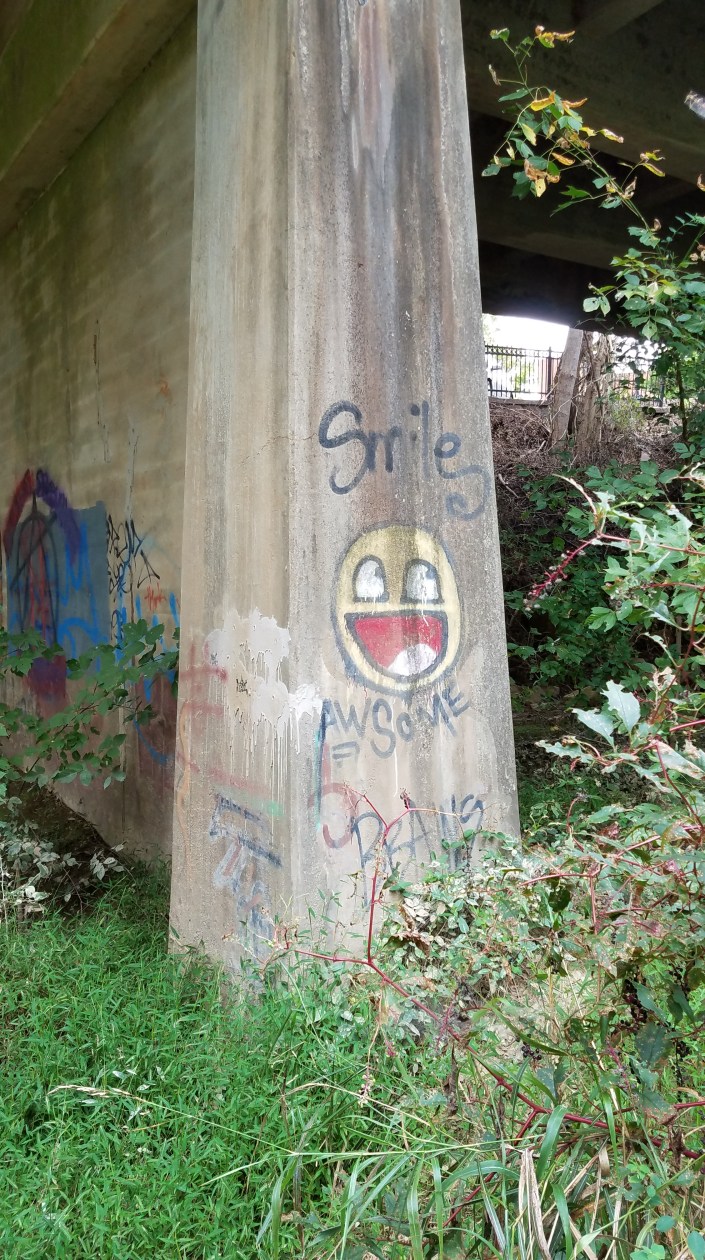
10-06-2018Smile.
Aw-some.
Brains.
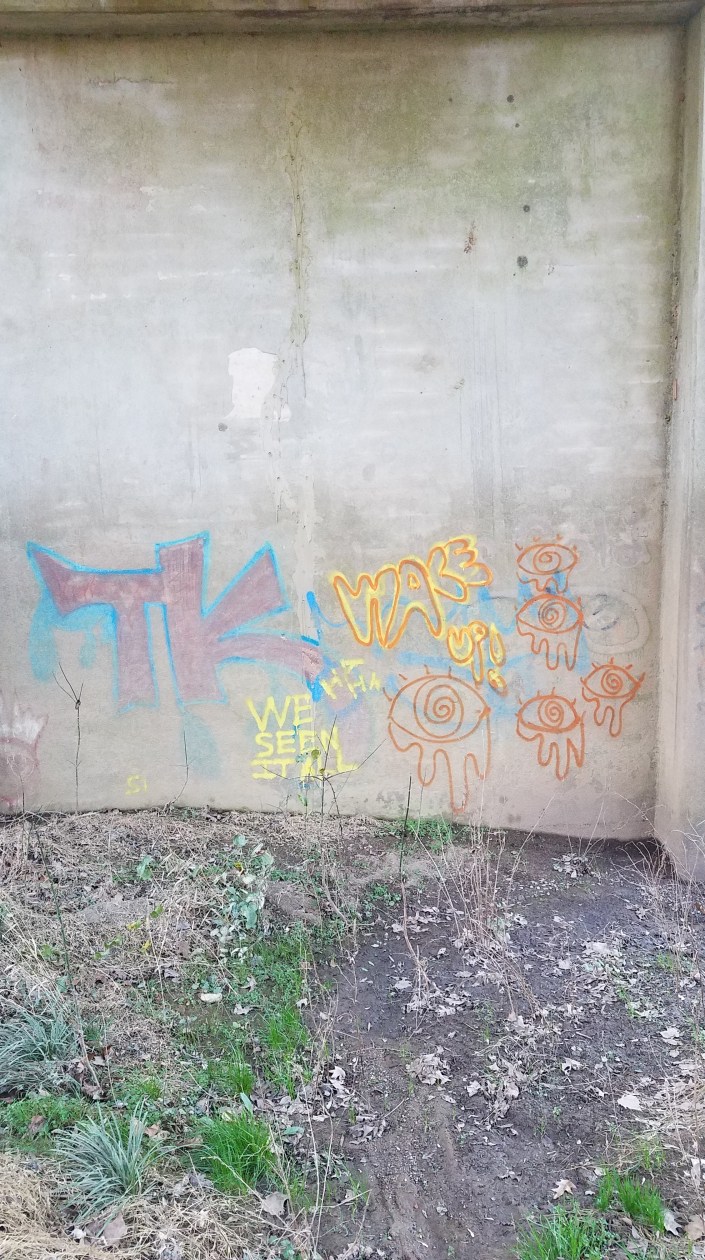
10-06-2018Wake up.
We seen it all.
Looks like the ‘all seeing eye’.
TK could be ‘think’, again?
01-08-2019I haven’t a clue.
01-08-2019Imagine (to the left).
Think (again).
I can’t read the rest.
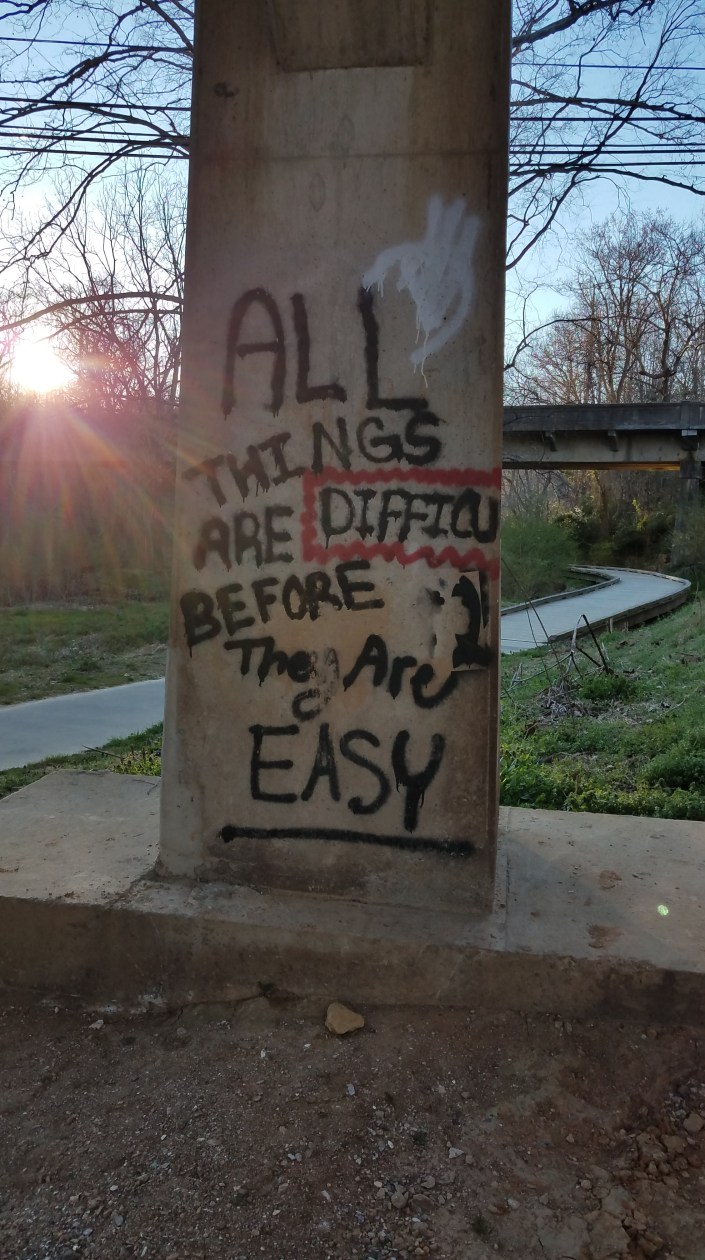
03-17-2019All things are difficult before they are easy.
Well said and true.
03-17-2019
I suppose I should have labeled the first post as Part I but…I neglected. Oh, well… All photos are my personal collection except the very last one. ~Vic
03-12-2019
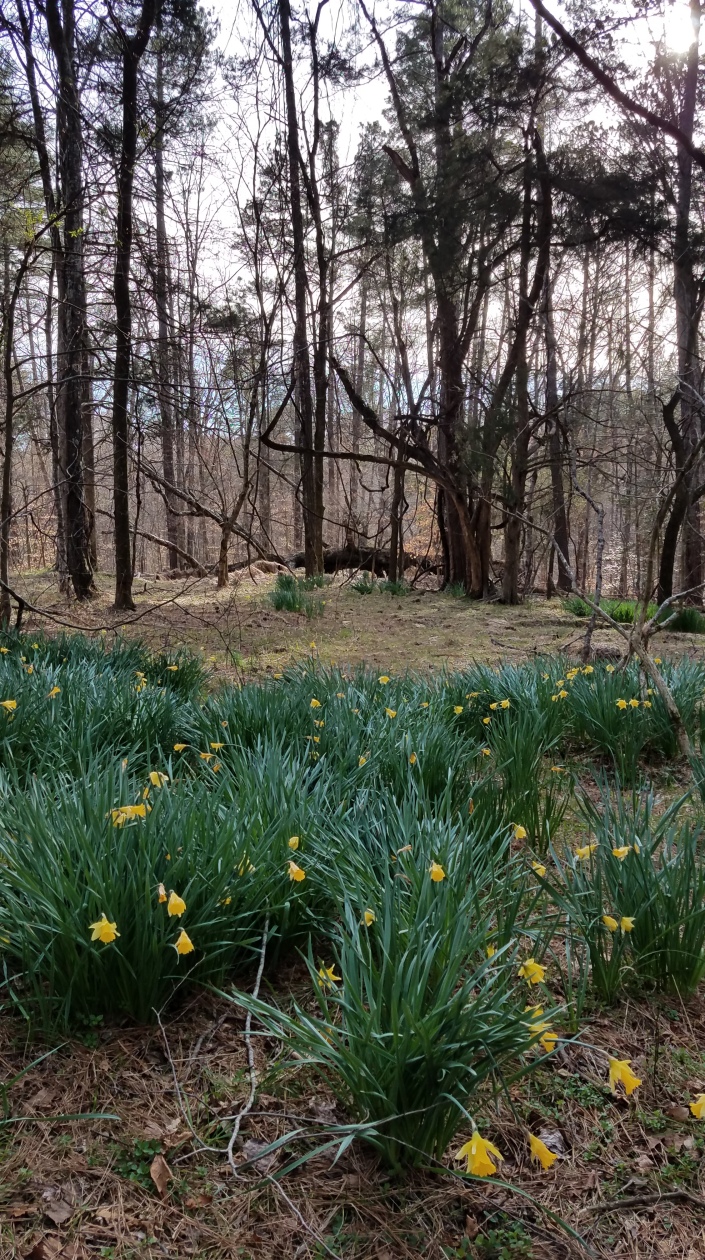
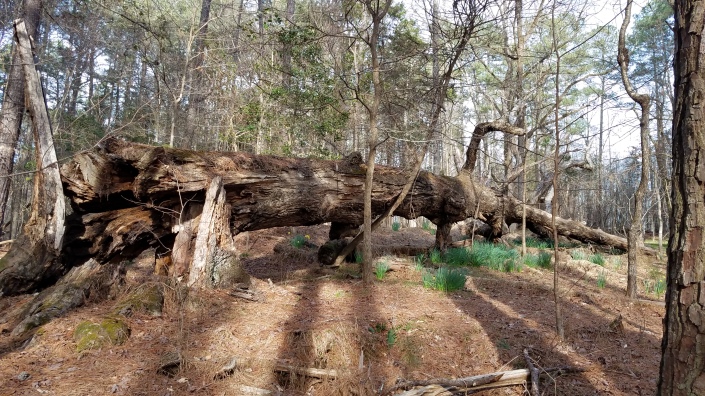
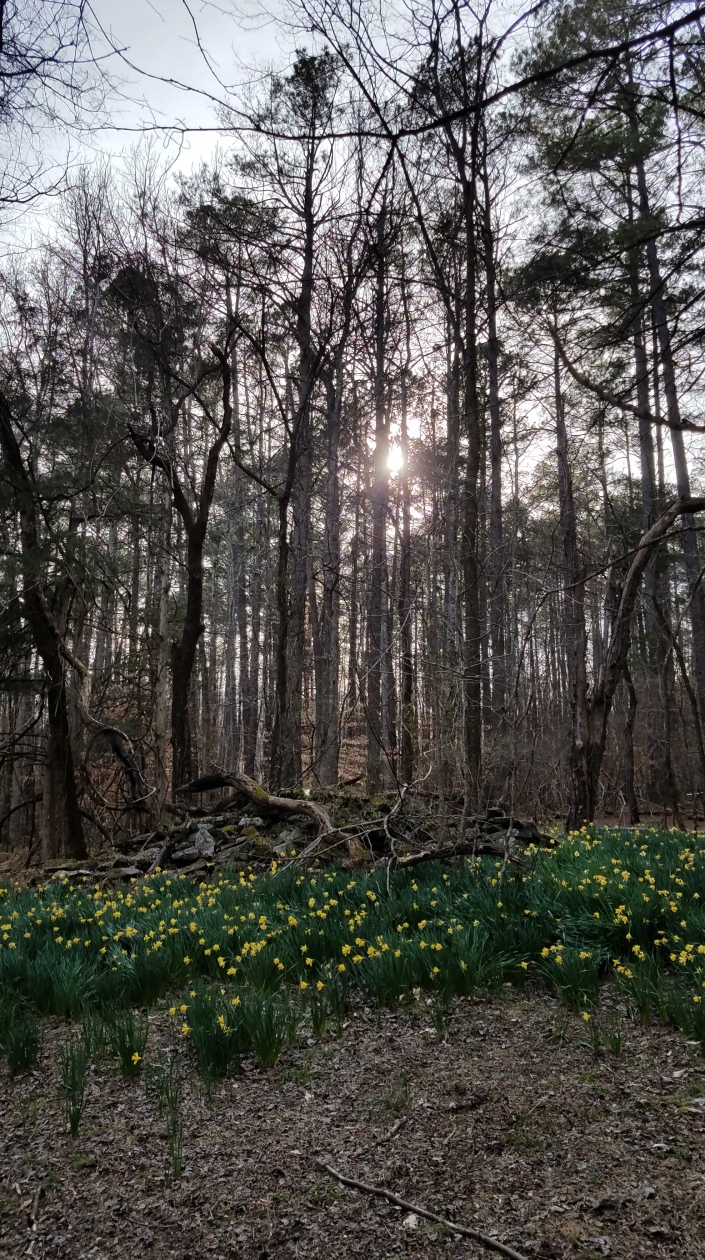
Portrait angle of the same flower gathering.Opposite angle of that big tree.Setting sun.
Another flower group.
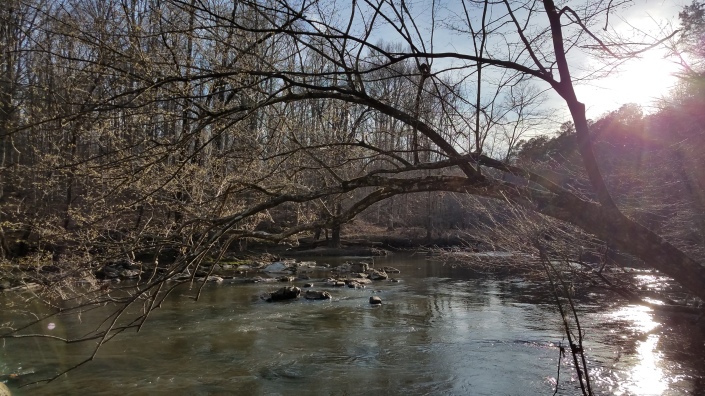
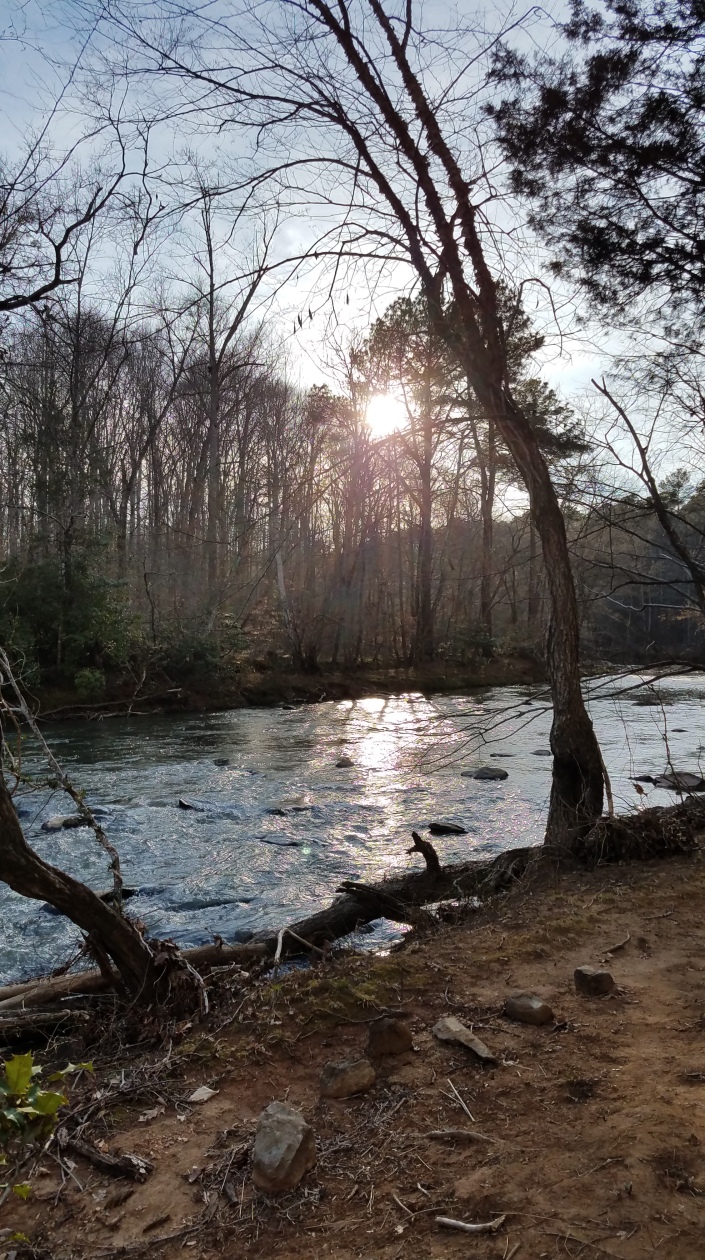
Bizarre rock pile beyond that.There are so many trails that run along the Eno.
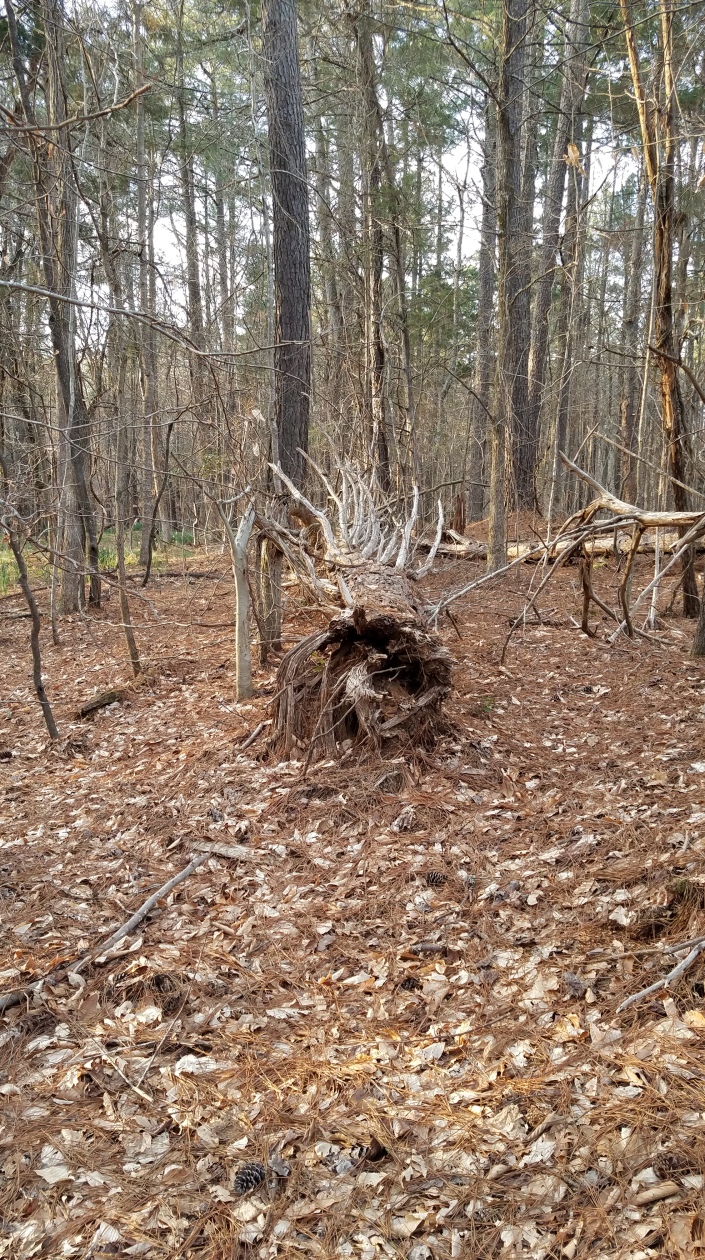
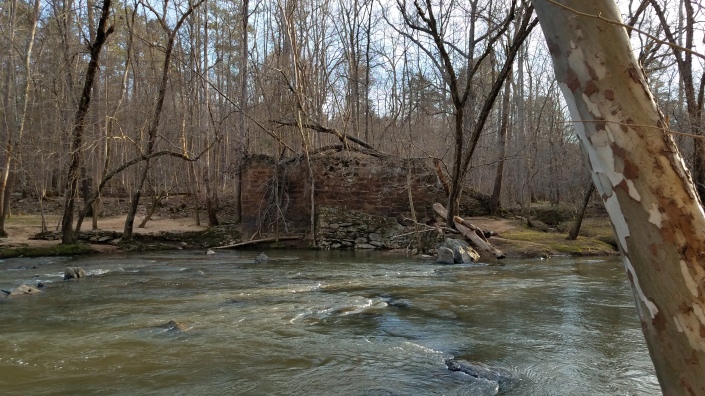
So many lovely views…I can almost feel the sun’s warmth from this shot.Odd porcupine-looking tree formation.What’s left of the old Eno River Pumping Station.Image Credit: opendurham.org
You can see the rock formation I had to climb over on the right.
All that’s left is the base.
Circa 1905
As the snowiest month in the United States, February’s full moon is commonly known as the Full Snow Moon in Native American cultures. These ancient tribes named this moon after the way trees cracked in the cold or how people had to sit shoulder to shoulder around the fire for warmth. Even the Celts called it the Moon of Ice. As expected of the coldest month in the year, the Full Snow Moon is also known by more sinister names, such as the Bone Moon. The Cherokee tribe called February’s full moon the Bone Moon because, by this point, the tribe’s winter food supplies had usually dwindled to the point where people had to gnaw on bones and cook bone marrow soup in order to survive. For the same reason, the Kalapuya tribe called this moon the Out of Food Moon. Appropriately, it’s also known as the Hunger Moon and the Little Famine Moon. Perhaps, due to this month’s association with death, the Cherokee tribe would commune with their dead ancestors during the Bone Moon. A didanawiskawi, or a medicine person, would host a medicine dance for the community. Fasting and rituals for the dead were also common practices.
Peaking over the courthouse.
However, not all cultures associate February’s full moon with extreme cold and death. The Hopi tribe calls it the Moon of Purification and Renewal, which is very fitting because the Full Snow Moon is usually the very first full moon of the year according to the lunar calendar. Cultures that follow the lunar calendar, especially East Asian cultures, tend to associate the Full Snow Moon with new beginnings for this very reason. The ancient Chinese, for example, called it the Budding Moon. As a matter of fact, celebrations of February’s full moon are the climax of Lunar New Year festivities in various East Asian countries. In China, the Full Snow Moon is celebrated during the Lantern Festival, also known as the Yuanxiao Festival, which is the 15th day of the Lunar New Year. During this festival, the Chinese release kongming lanterns into the sky as they admire the full moon and eat tangyuan, glutinous rice balls that are usually filled with sweet paste. The round shape of the balls symbolize family togetherness and bring good luck to the whole family.
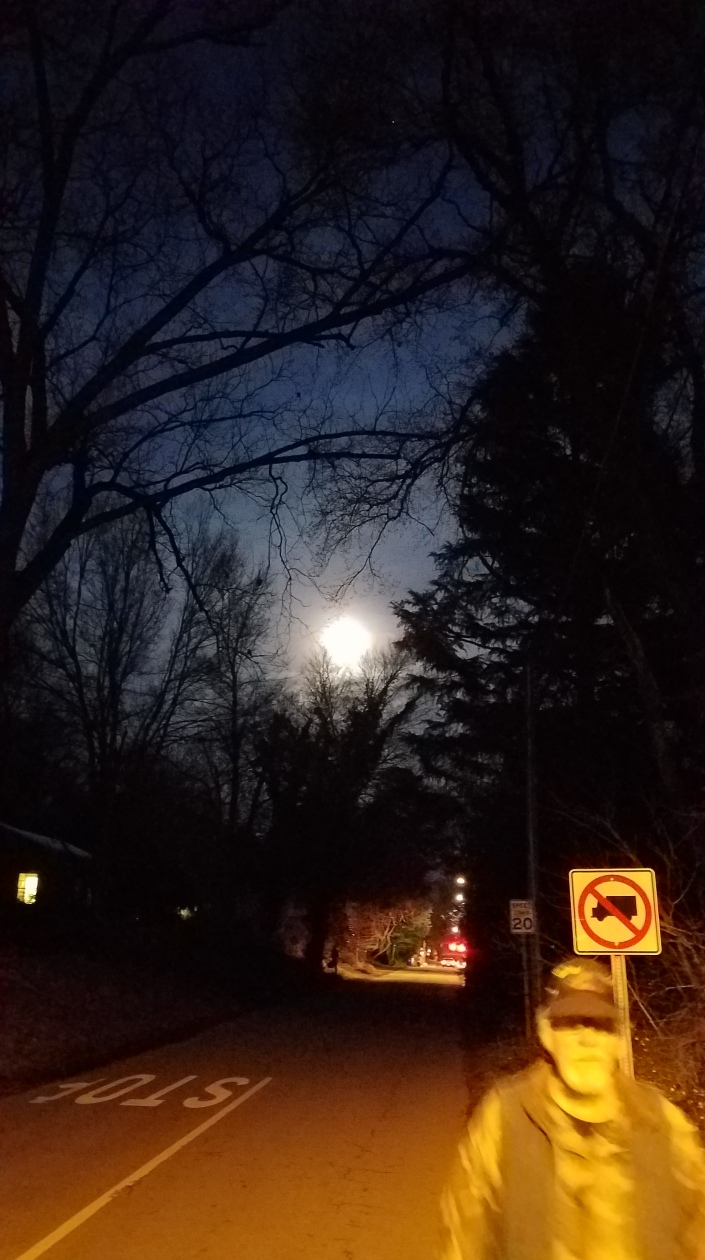
Walking home and below a street light.
Many East Asian cultures in general also light lanterns and bonfires to celebrate February’s full moon. According to an ancient Chinese legend, not long after Buddhism was brought into China, 17 deities were witnessed flying through the sky during the first full moon of the Lunar New Year. Shocked and excited, the populace lit fires and lanterns to see the godly beings better. They continued to do so year after year but, for more practical reasons – to chase away pests and to pray for a good crop in the upcoming spring. In Korea, where February’s full moon is known as Daeboreum, these fiery structures are called “Houses of the Burning Moon”. During Daeboreum, Koreans hike mountains, despite the freezing temperatures, in order to catch a glimpse of the first rise of the first full moon of the Lunar New Year. According to legend, the very first person to accomplish this feat will have their dearest wish come true.
Among the Micmac people of eastern Canada, the driving winds that often accompany February snows led to the name Snow-Blinding Moon. Because this month’s typically harsh weather conditions made hunting very difficult, other common names for February’s Moon included the Hunger Moon, Bony Moon, and Little Famine Moon. To the early American colonists, the optimal time for trapping beaver, fox and mink was the dead of winter when these animals’ coats were at their fullest. So, to them, February’s moon was known as the Trapper’s Moon.
From my driveway.
From a Wiccan site I stumbled across while ‘Googling’ (or ‘Binging’) a particular name, additional names not listed above are Storm Moon, Horning Moon, Wild Moon, Red & Cleansing Moon, Quickening Moon, Big Winter Moon, Moon When Trees Pop and Chaste Moon. And, there is quite an extensive list of Native American moons on Skywise Unlimited.
















 Cosmic-Observation